The July 2026 British Council Fellows have spent this month as the custodians of internationally-renowned art, but also as creative practitioners responding to a shared time in Venice. Taking refuge from hot sun and biennale crowds beneath the British Pavillion, fellows have made work across film, photography, paintings, textiles, and installation.
Basement illuminates the otherwise hidden creative practices of the invigilators watching over the art upstairs.
Contributors: Ellen Gillett, Lorna Doyle, Tom Hardwick, Darcey Bateson, Yusuke Kuriki, Alzbeta Preissova, Camille Serisier, and Vinita Gurjar.
Ellen Gillett
'Linger' - Film
Ellen Gillett is a visual artist and independent curator who creates animated and interactive installations that explore gesture, illusions of movement, and people's connection to place and their spaces. Their artistic practice involves drawing, stop-motion animation and digitally-created video imagery and often invites contribution or participation from audiences, blurring the lines between engagement, curation, and art-making.
'Linger' explores a slower side of Venice, one that reveals itself after a longer stay. The piece is about paying attention, deliberately living at a slower pace, and attempts to capture the rich parade of views that pass by in daily life here.
Lorna Doyle
Photographs
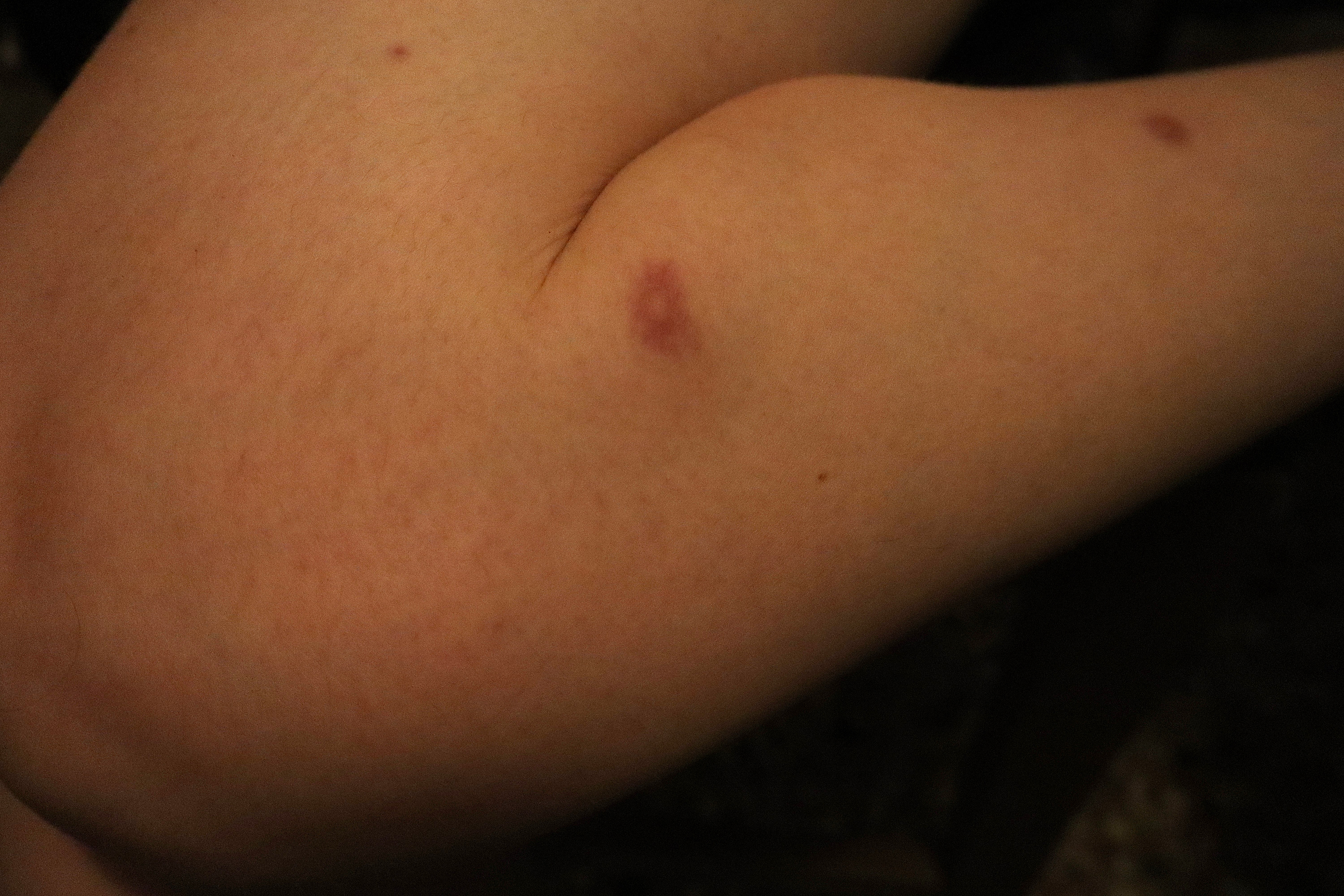
Lorna is a multidisciplinary artist from South Wales 5 is currently doing her BA(Hons) Fine Arts degree at Arts University Bournemouth. She predominantly explores the mediums of video, photography, and sculptural installation as a mode of performance and representation. She is concerned with themes of identity, sexuality, community, and collaboration.
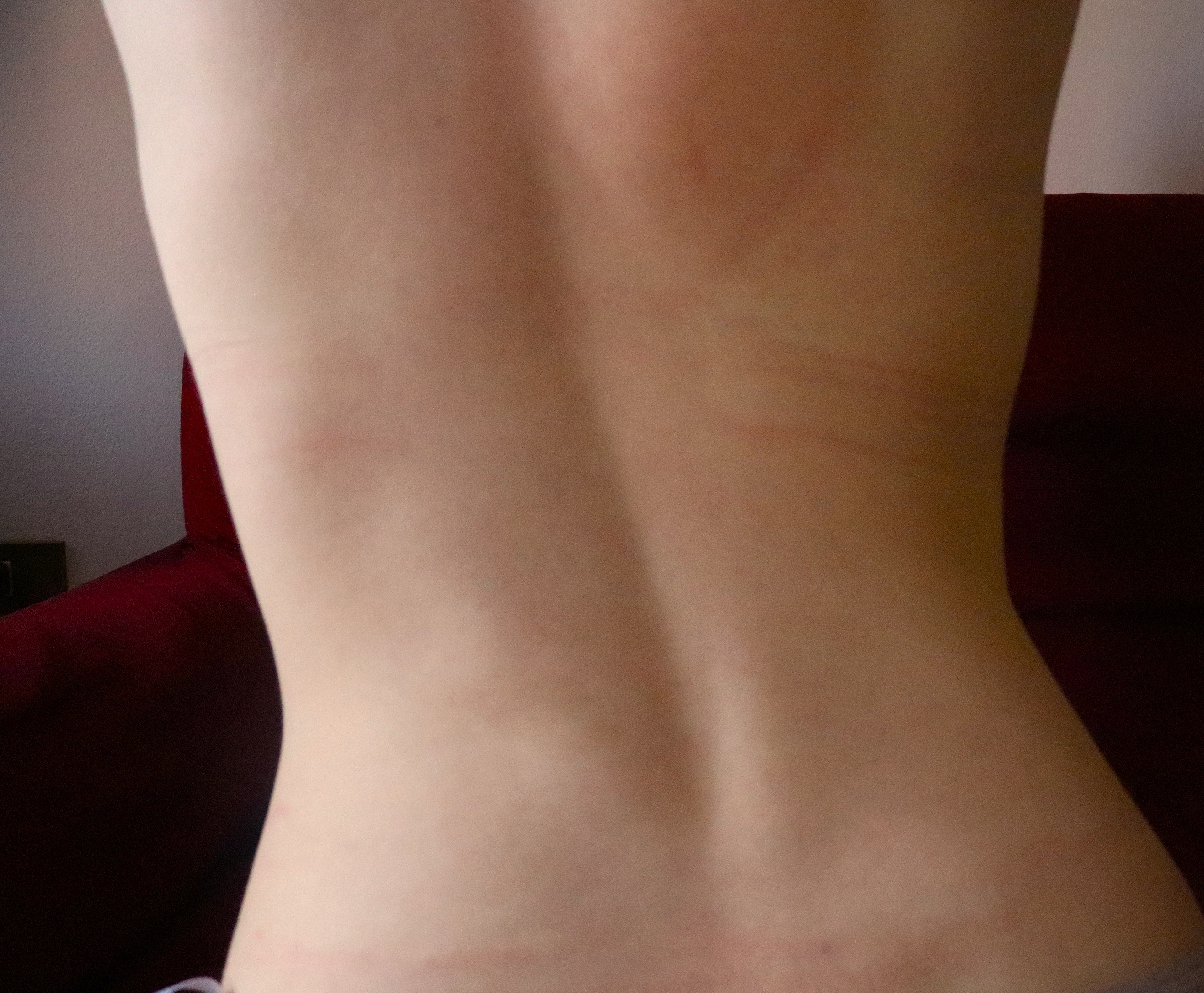
Via the British Council Venice Fellowship, Lorna has been able to explore a research project that responds to her time in Venice. She has found that her experience of Venice is undeniably physical and has become interested in the ways the area impacts skin. Through her photography of her own skin and the skin of other Fellows, you can witness the mosquito bites, freckles, tan, or sun burn that appear on the skin and take over the mind. Though a romantic and dreamy city, Lorna acknowledges the harshness of the environment and the constant awareness one must have of their skin when contending with the power of the sun and the barrage of aggressive mosquitos, come evening.


Tom Hardwick
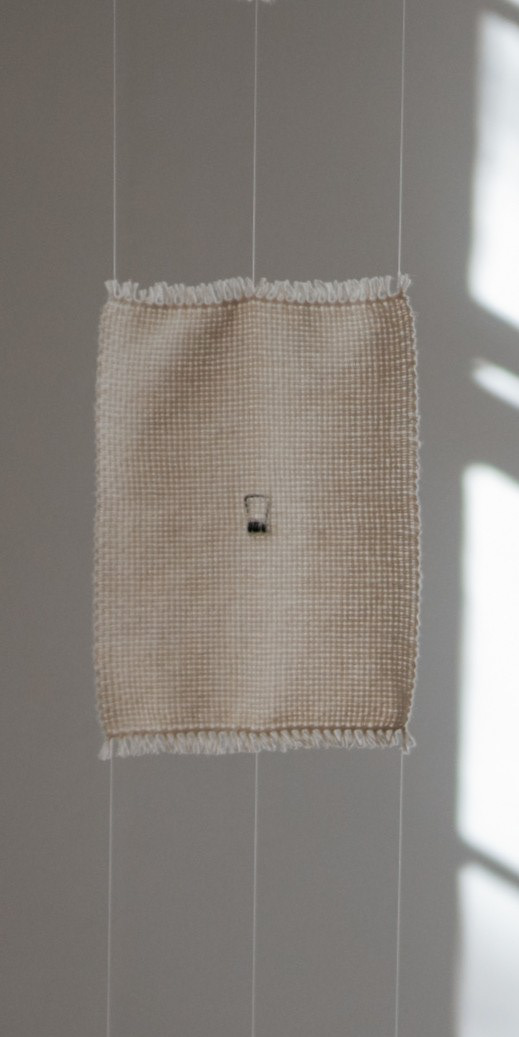
'Fonds' - Handwoven textile and found object
Tom Hardwick is a textile artist who explores the material conditions of knowledge, using hand-weaving as an intervention in the world that examines and reimagines the process of documenting as an active conversation with a world of matter.
Their time in Venice continues their long-term project Fonds, a living archive formed through the collection and woven-documentation of found objects.
Darcey Bateson
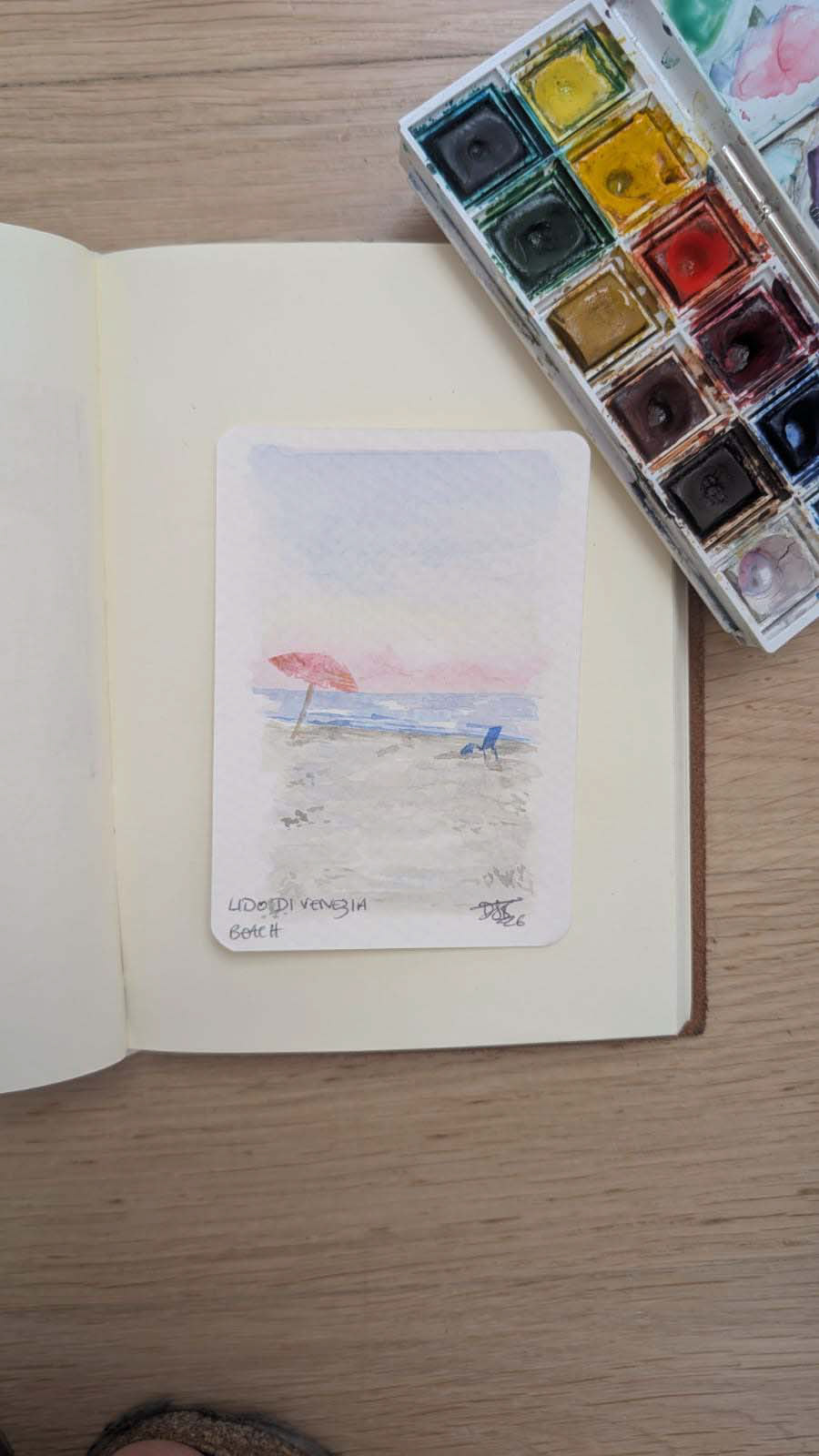
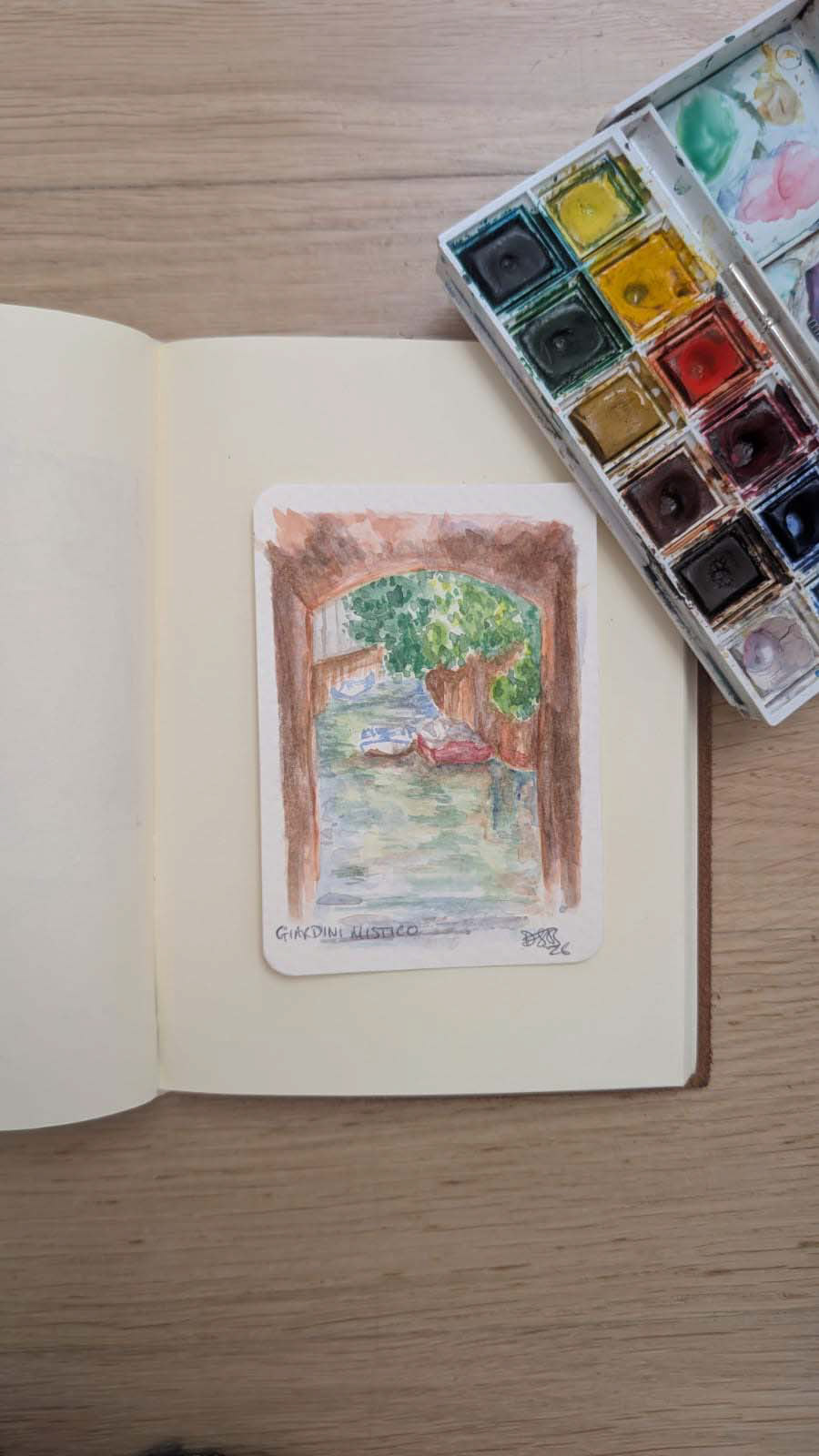
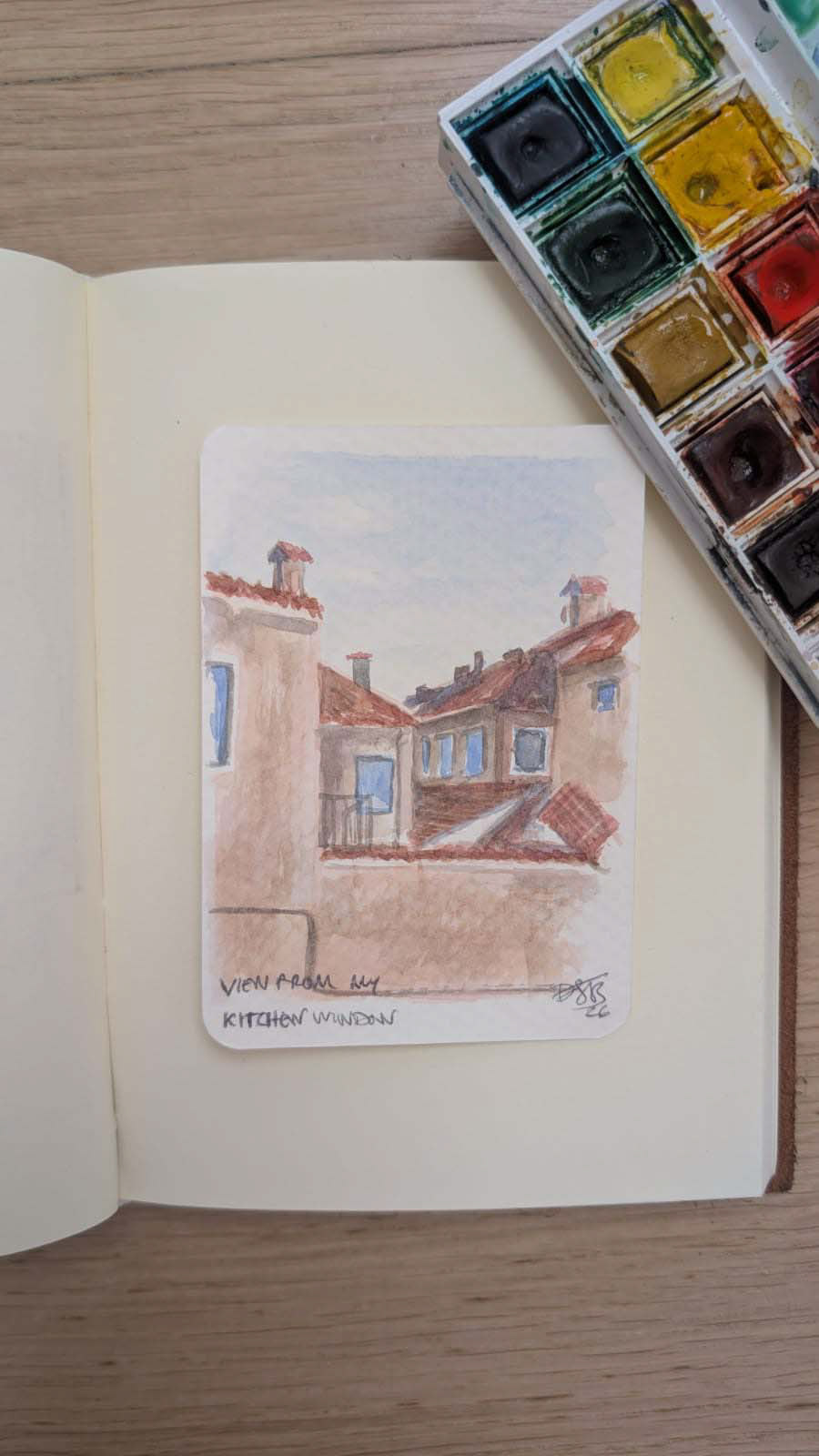
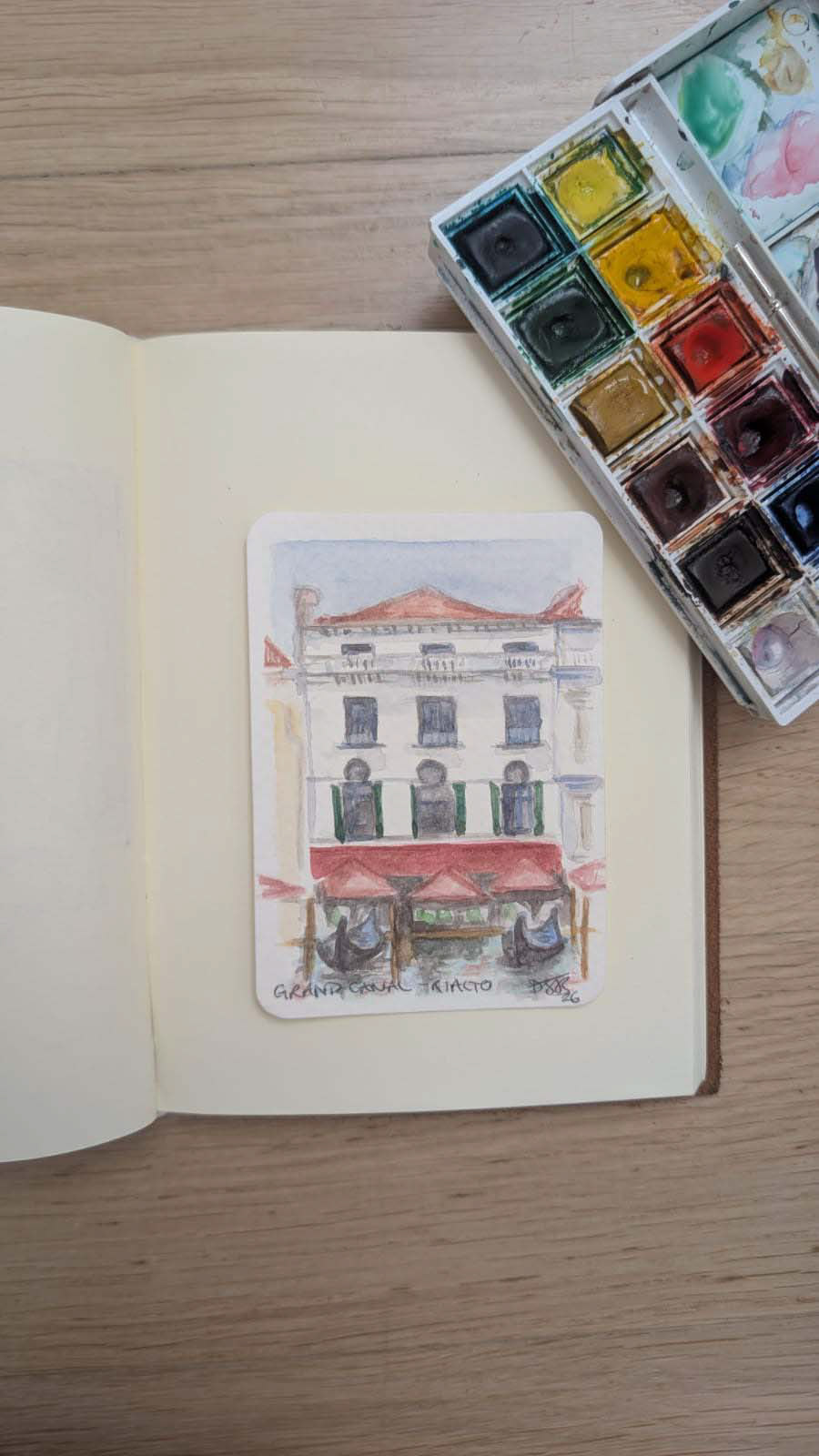
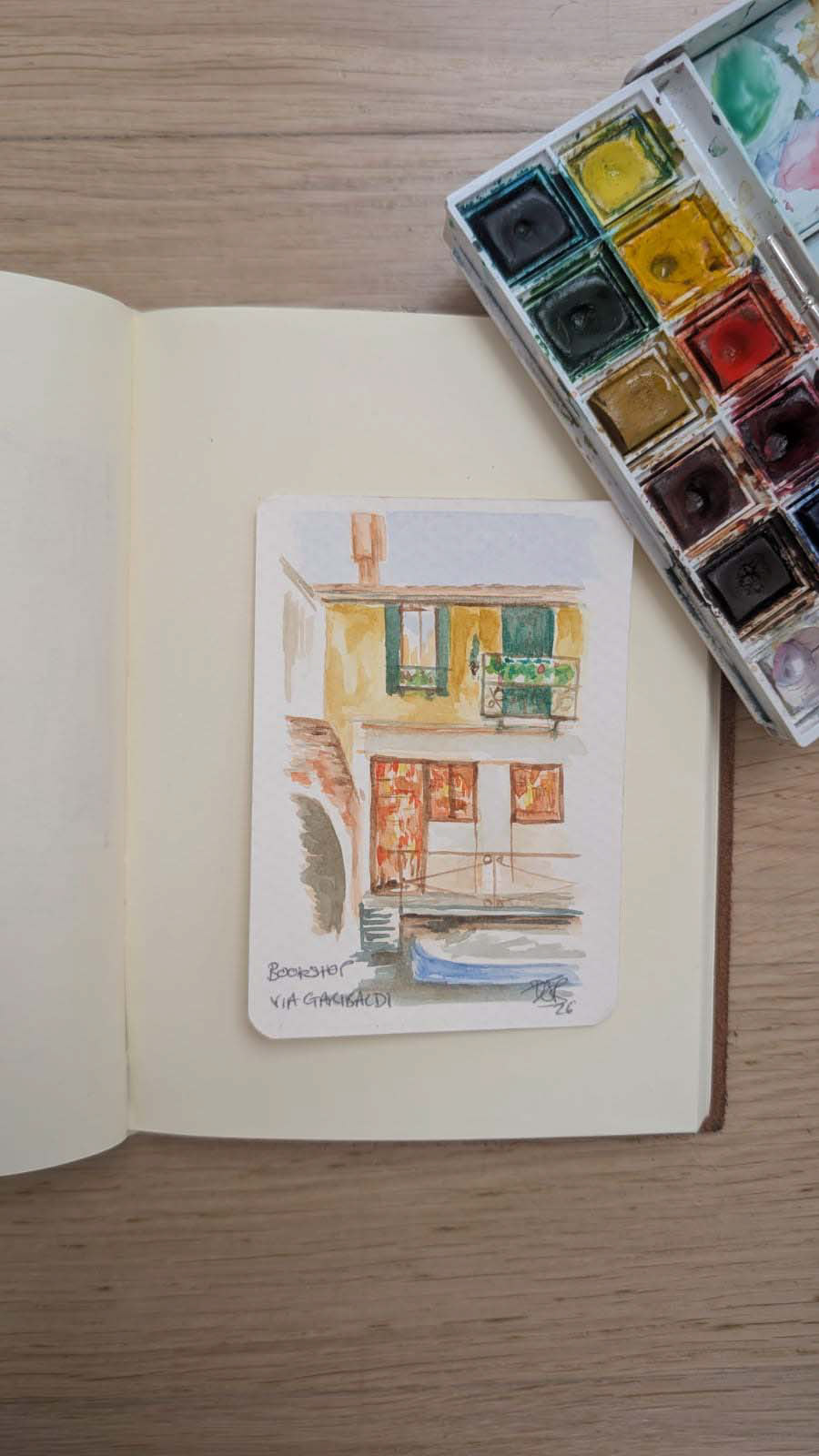
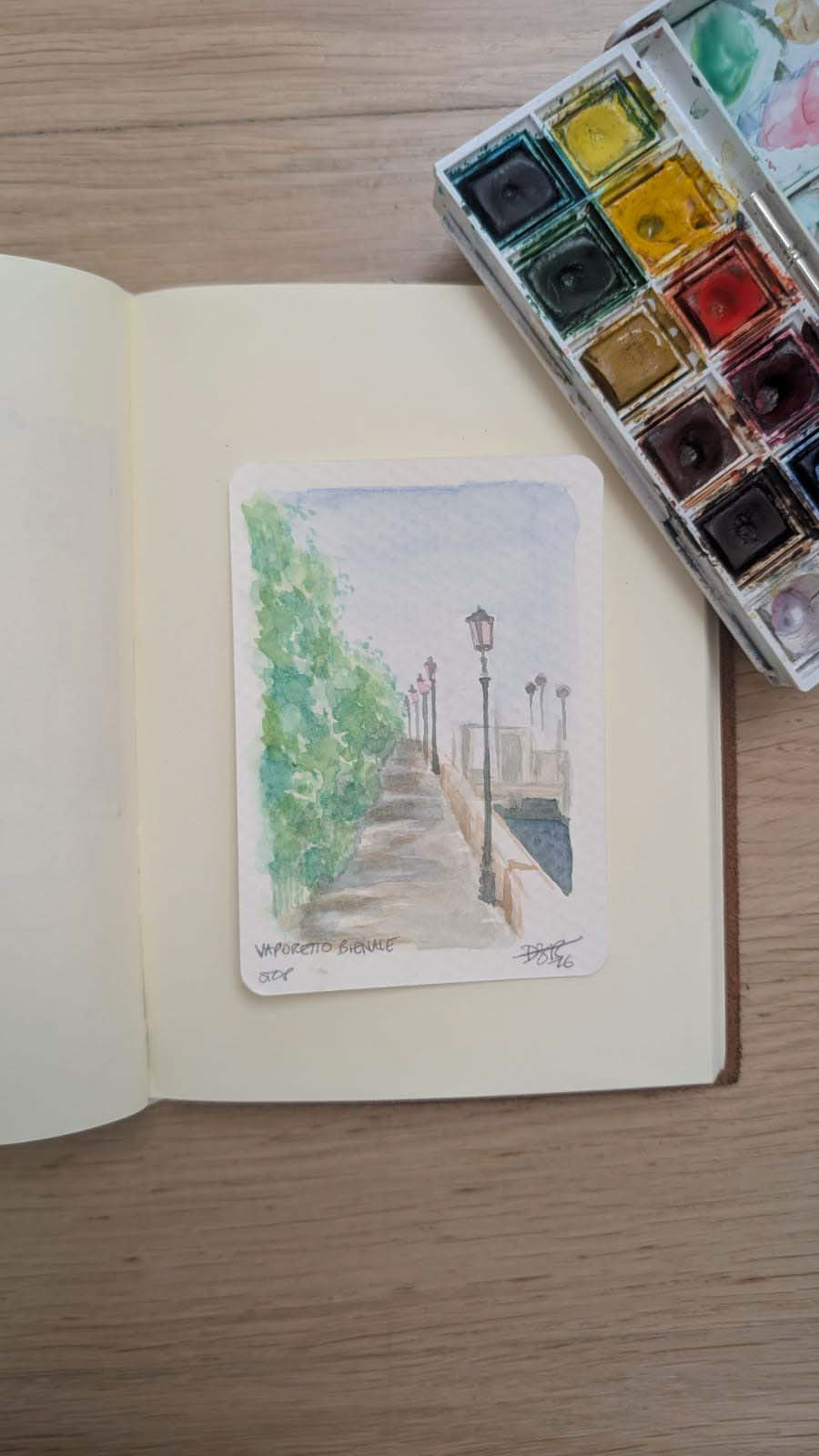
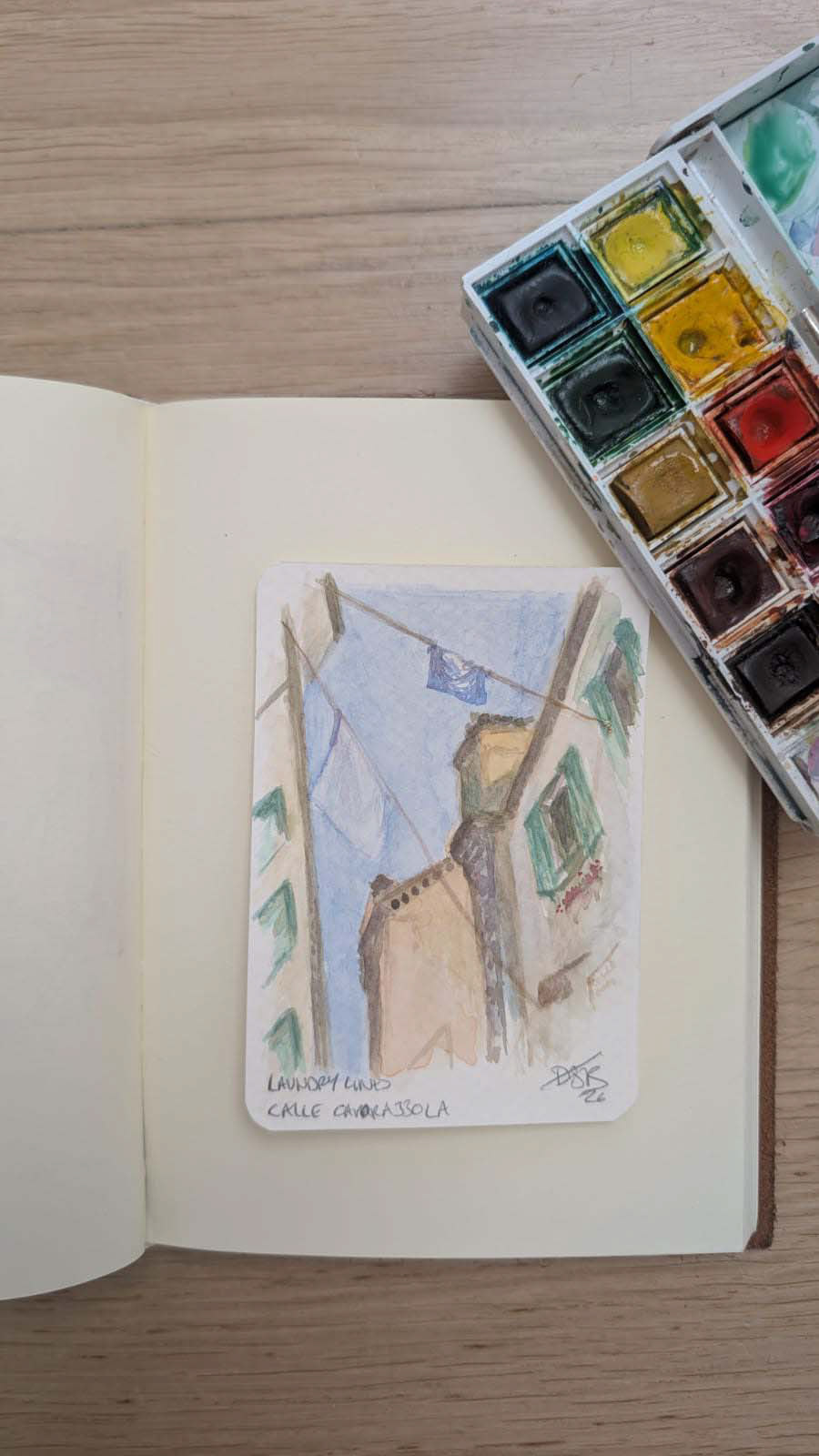
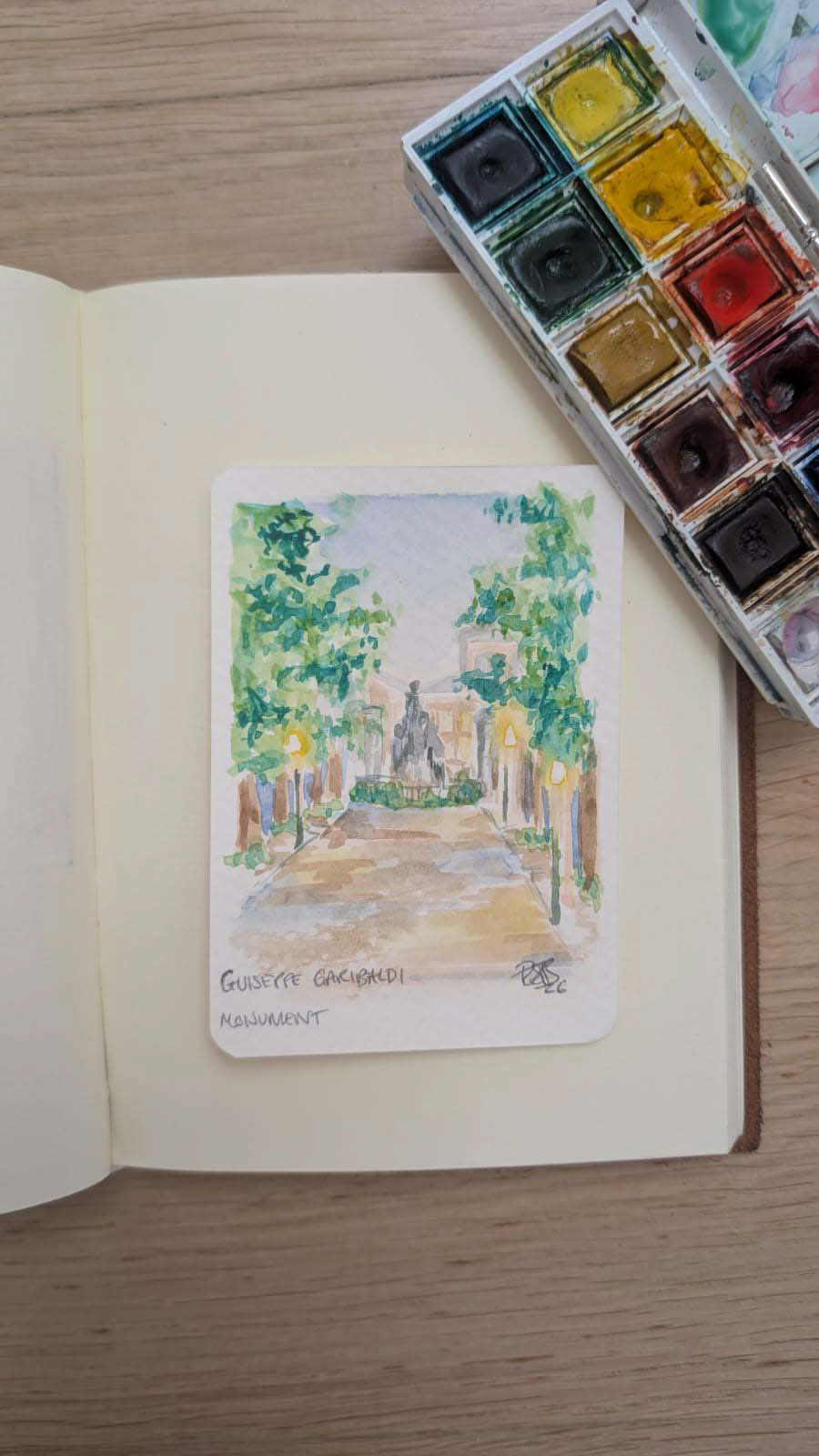
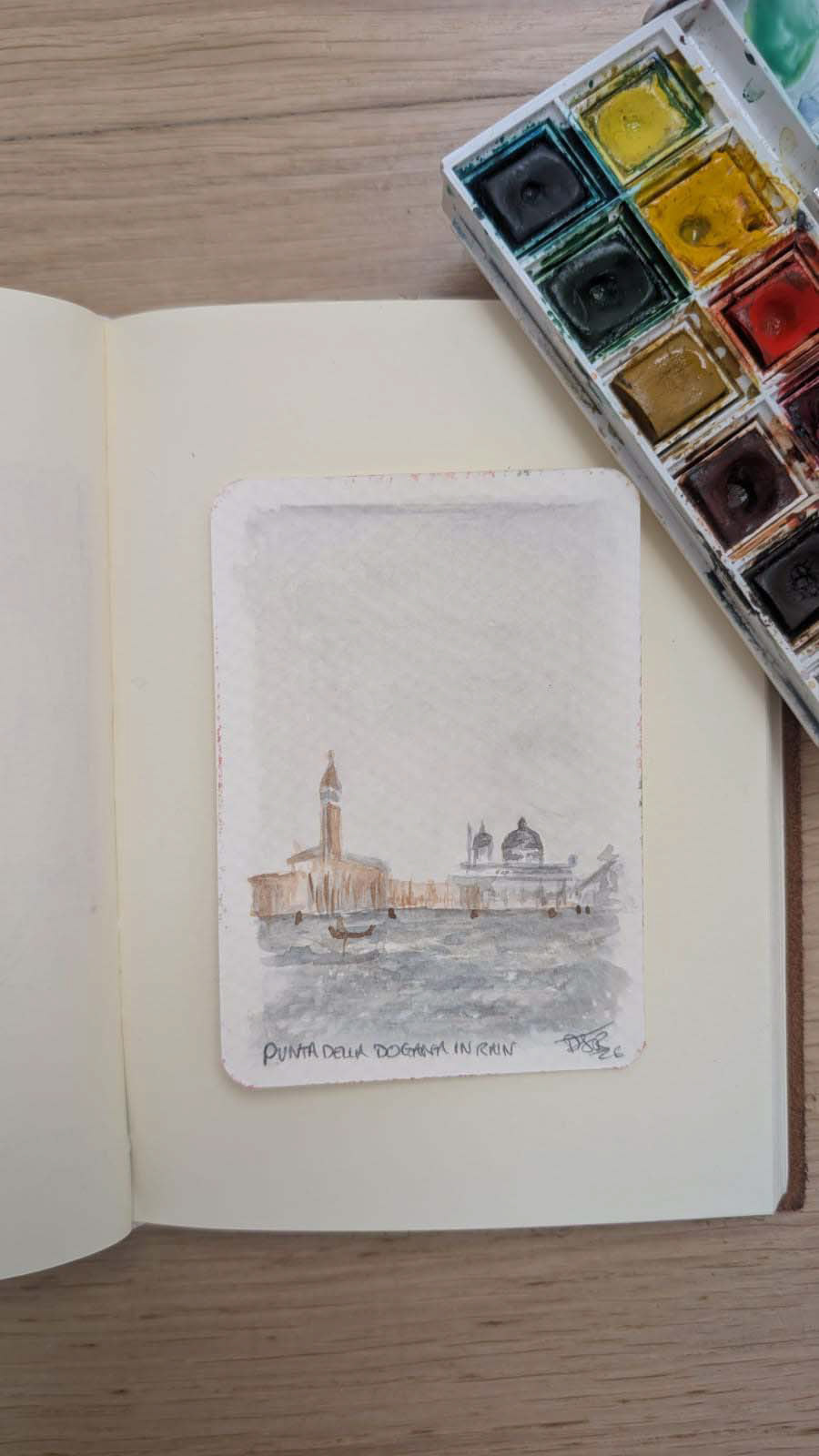
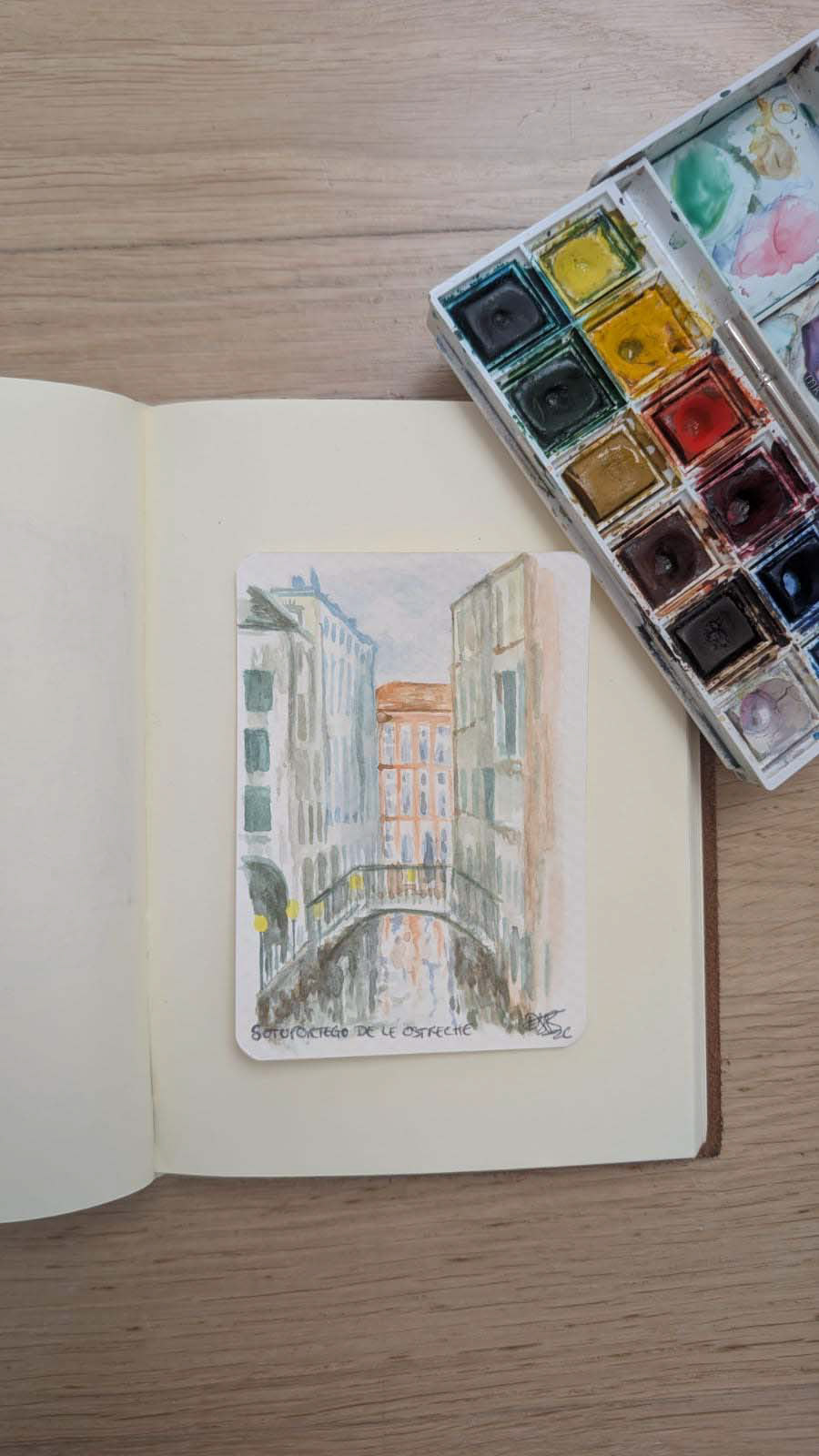
Sketches and watercolours
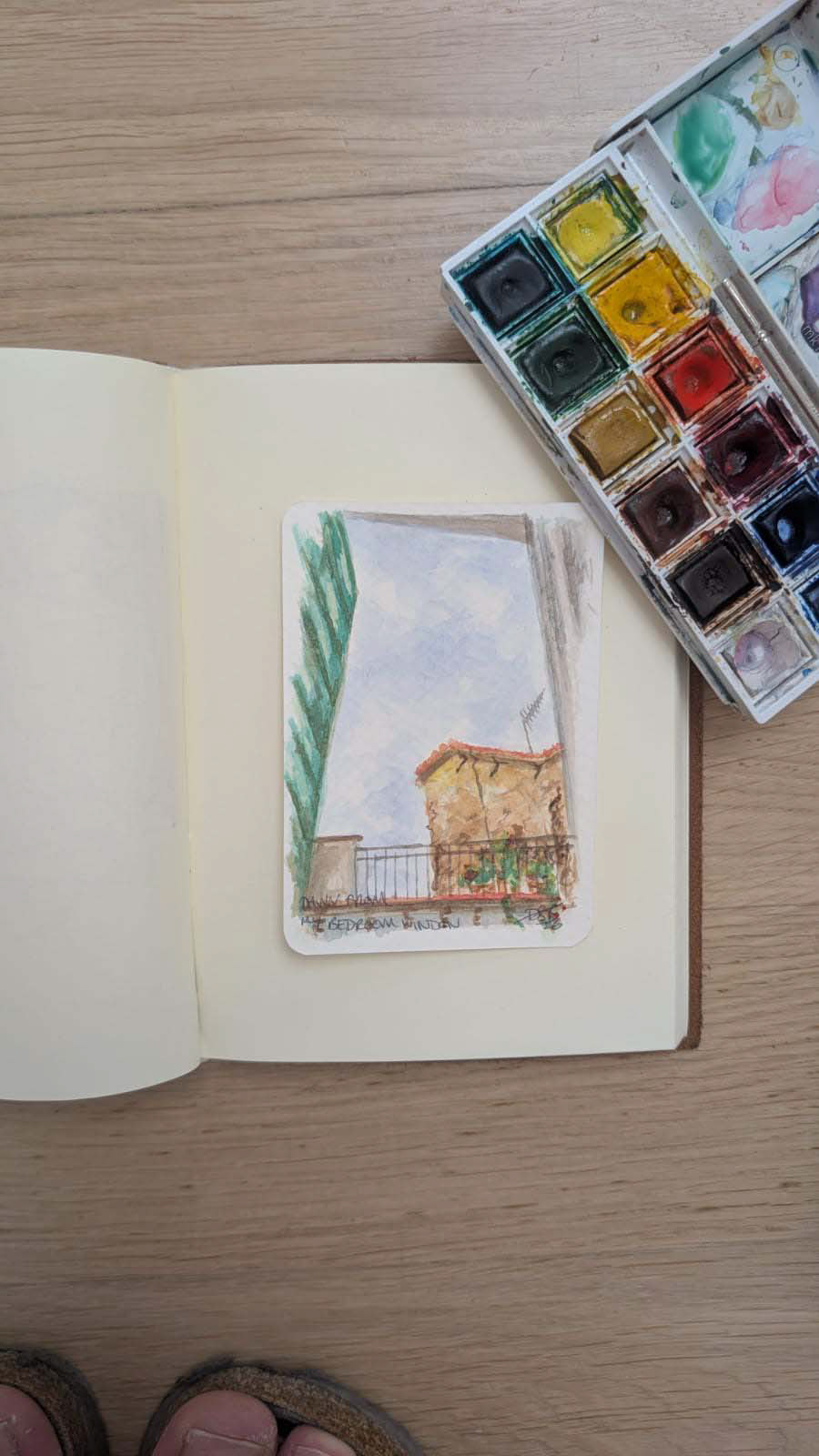
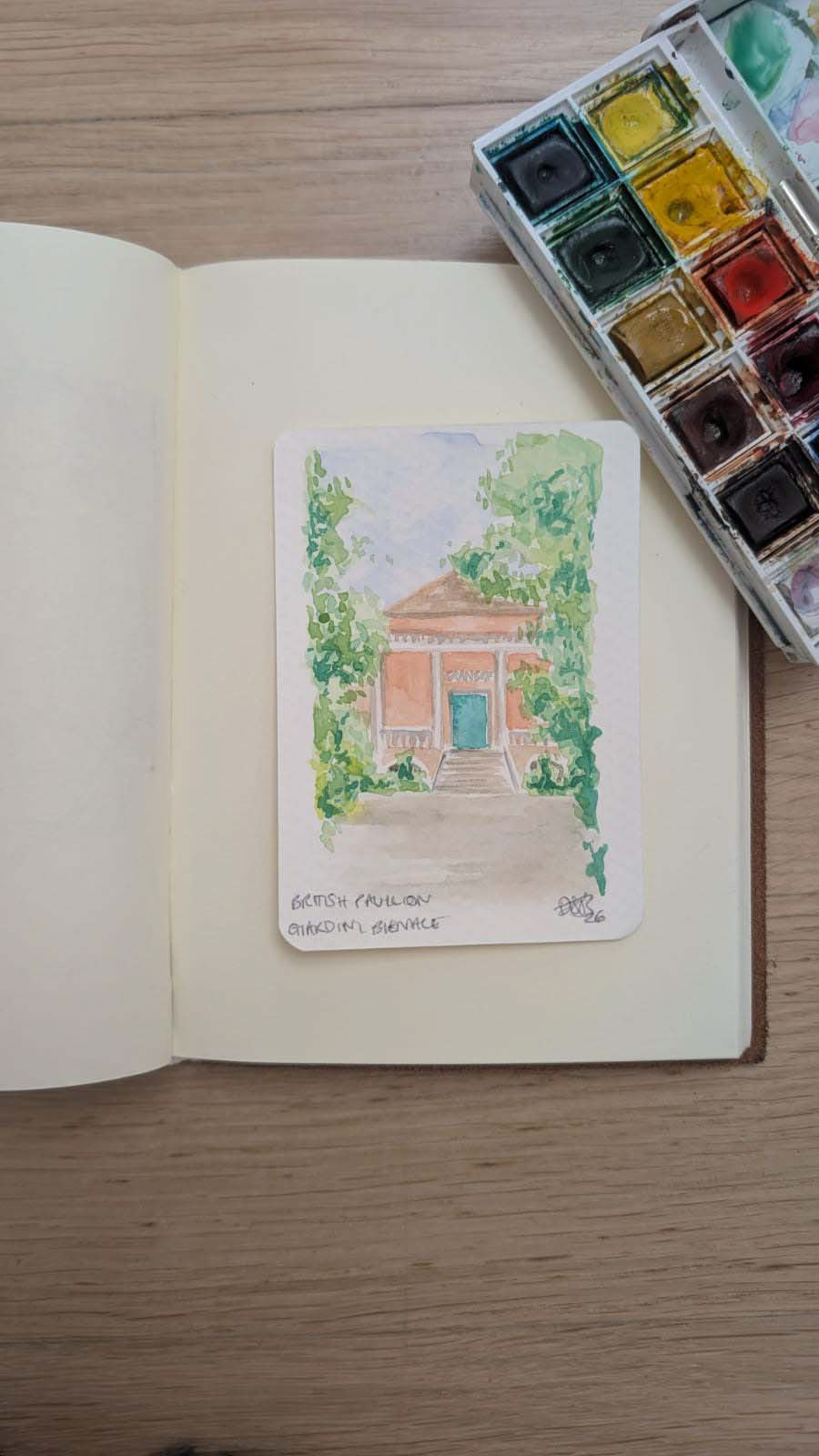
Darcey Bateson is an Art History and English Literature undergrad practicing art in her spare time around her studies. She enjoys figurative work and landscapes but mostly prefers to sketch as she travels, recording what she sees as well as the environments and experiences she encounters.
She presents here a selection of sketches and watercolours she has made on her adventures around Venice and Italy (through Florence, Pisa and Rome).
Yusuke Kuriki
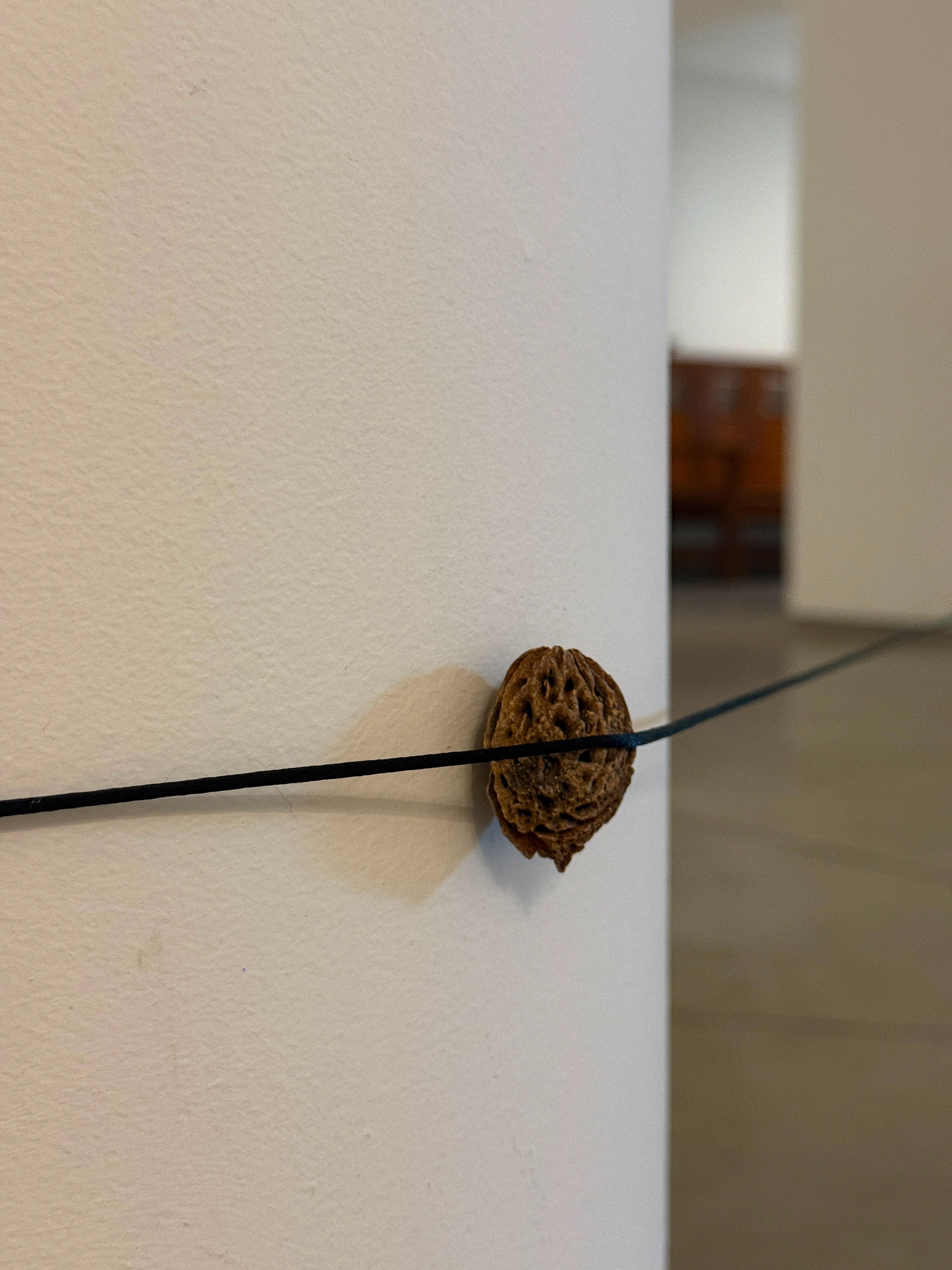
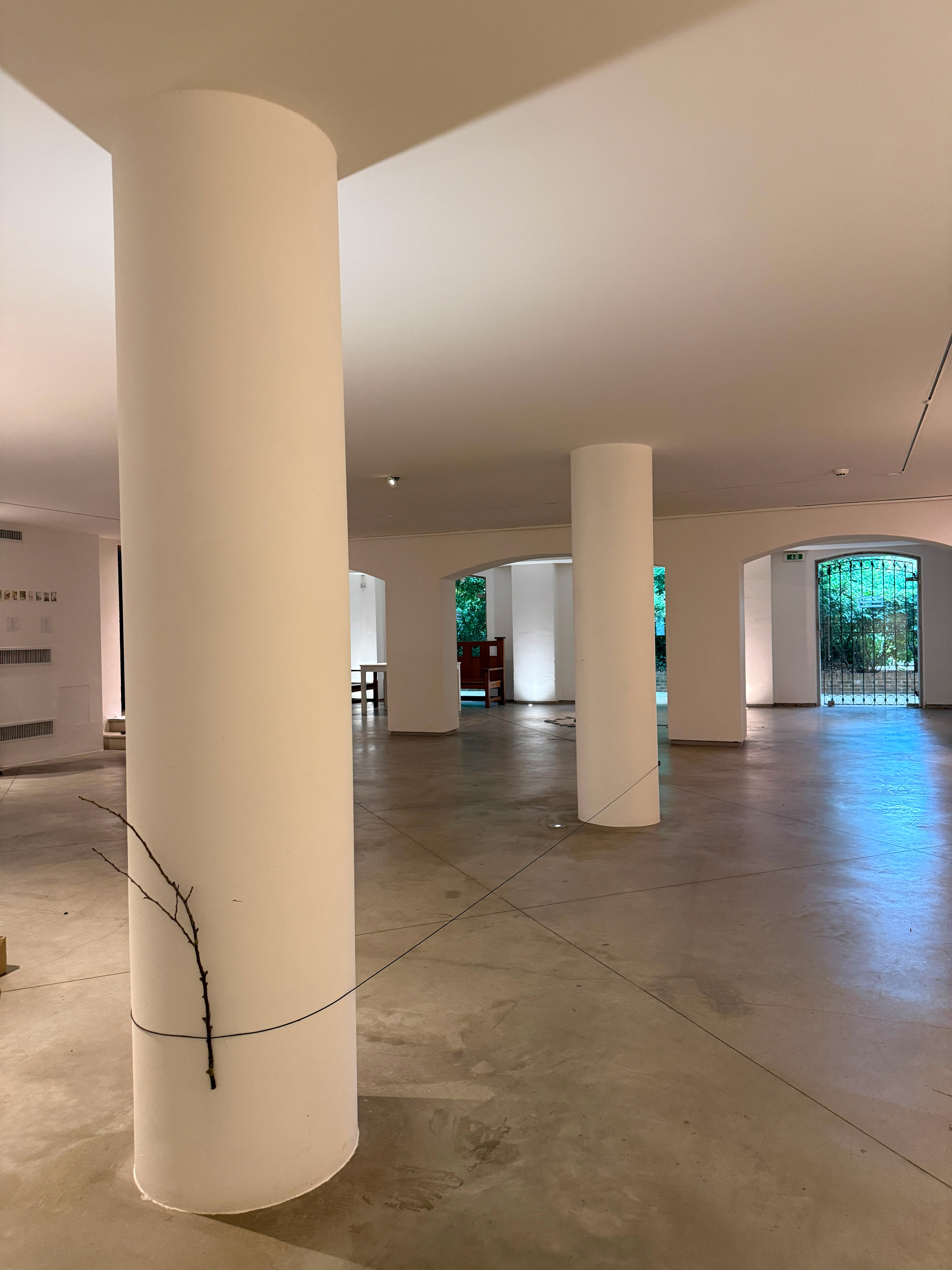
45. 4277°N, 12.3586° - Installation
Yusuke Kuriki is a Japanese-Korean artist currently pursuing an MA Fine Art at Central Saint Martins, working across sculpture, installation, and sound. His practice begins with encounters with everyday objects, architectural fragments, and technological or natural phenomena, which he displace and reconfigure to reveal the operations embedded within them.
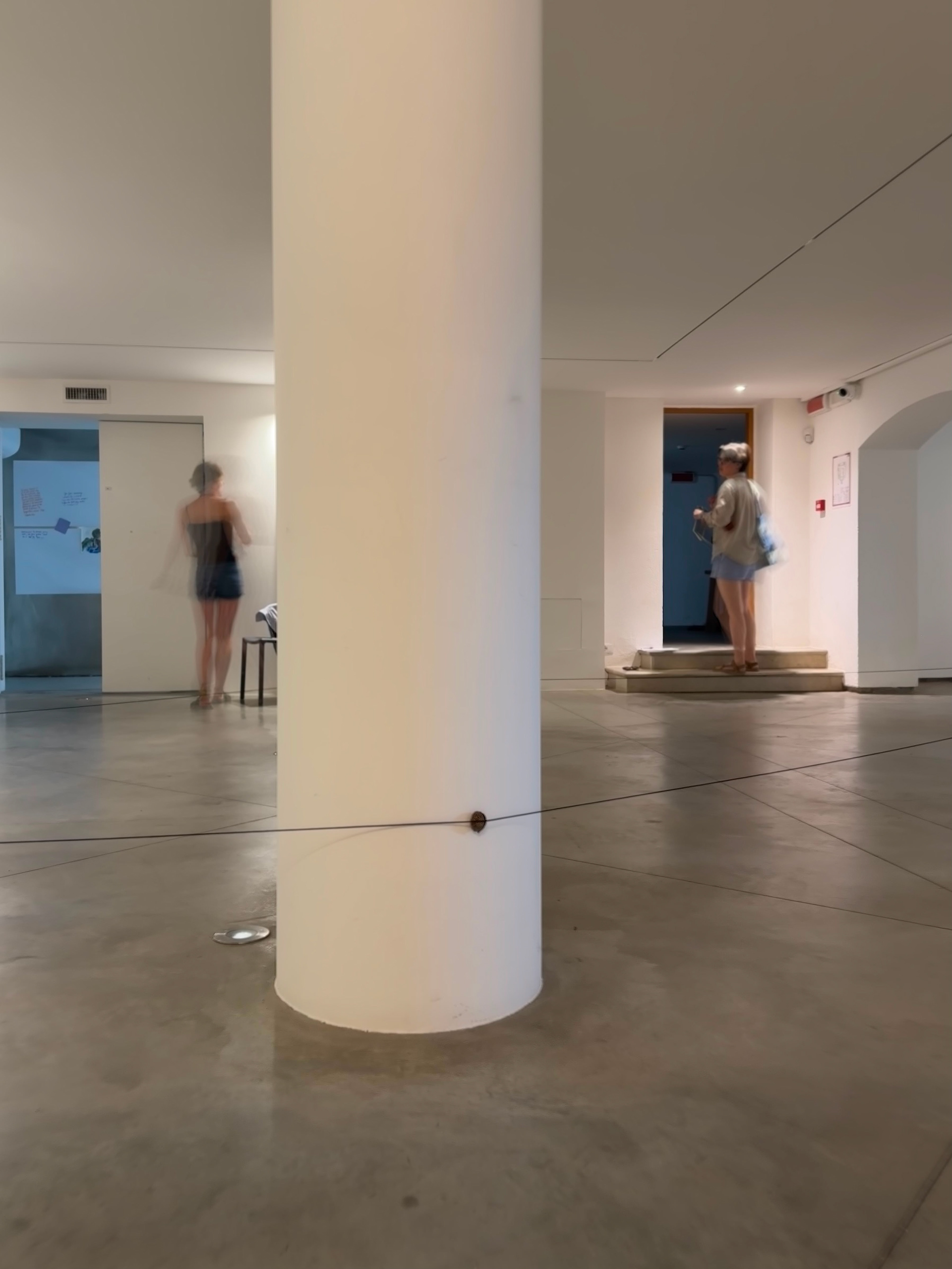
During his Venice Fellowship, he investigated the city’s architectural and ecological systems through the gradual erosion of historic brickwork by salt water and the changing relationship between land and water. This research developed into a series of site-responsive works, including pigments made from collected brick residue and an installation in the British Pavilion that marked Venice’s projected flood level with a black elastic line. By relocating environmental processes and material traces into the exhibition space, the work transformed abstract conditions into physical encounters, exploring questions of preservation, vulnerability, and adaptation.
Alzbeta Preissova
'The Shoes That Take Me Home' - Film
Alzbeta Preissova operates at the intersection of anthropology, psychology, and film, translating these disciplines into her visual art practice. While she enjoys experimenting with form, her work primarily centers on short experimental films and visual poetry.
Inspired by Lubaina Himid’s explorations of belonging, she uses watercolour, text, and videography to map the contours of "home" through the metaphor of footwear. Her project, 'The Shoes That Take Me Home', unpacks the rich symbolism of what we wear on our feet. Whether worn out, pristine, or painfully uncomfortable, these shoes serve as a mirror for the human experience—reflecting how we fit, stumble, and settle into new and familiar spaces.
Camille Serisier
Camille Serisier is an artist, educator, and researcher who explores visual storytelling as a powerful tool for change and communication.
Born in Australia, Camille completed her BA in Fine Art supported by a National Undergraduate Scholarship. She went onto develop significant experience exhibiting with and working in the Galleries, Libraries, Archives, and Museums (GLAM) sector. She has worked with small, medium, and large-scale arts institutions, such as the Smithsonian Museum (USA), the Museum of Australian Democracy (AUS) and the Peter Marlow Foundation (UK).
Camille is now based in the UK where she is completing her doctorate at the University for the Creative Arts (UCA) supported by Fast Forward: Women in Photography and a Vice Chancellor’s Studentship. She contributes to research projects at UCA and the University of Kent where she is an Affiliated Researcher at the Centre for Global Science and Epistemic Justice.
30 Sleeps
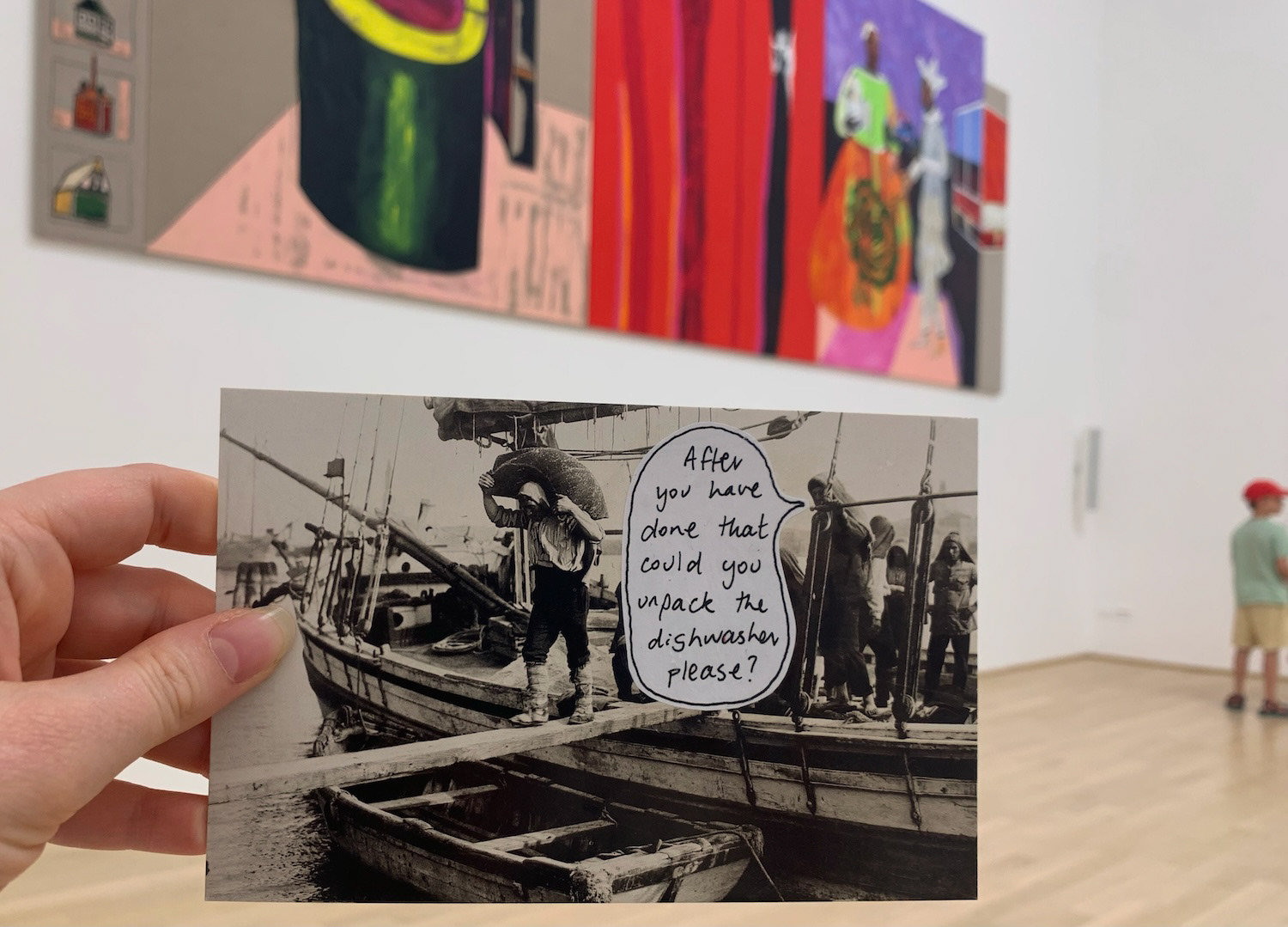
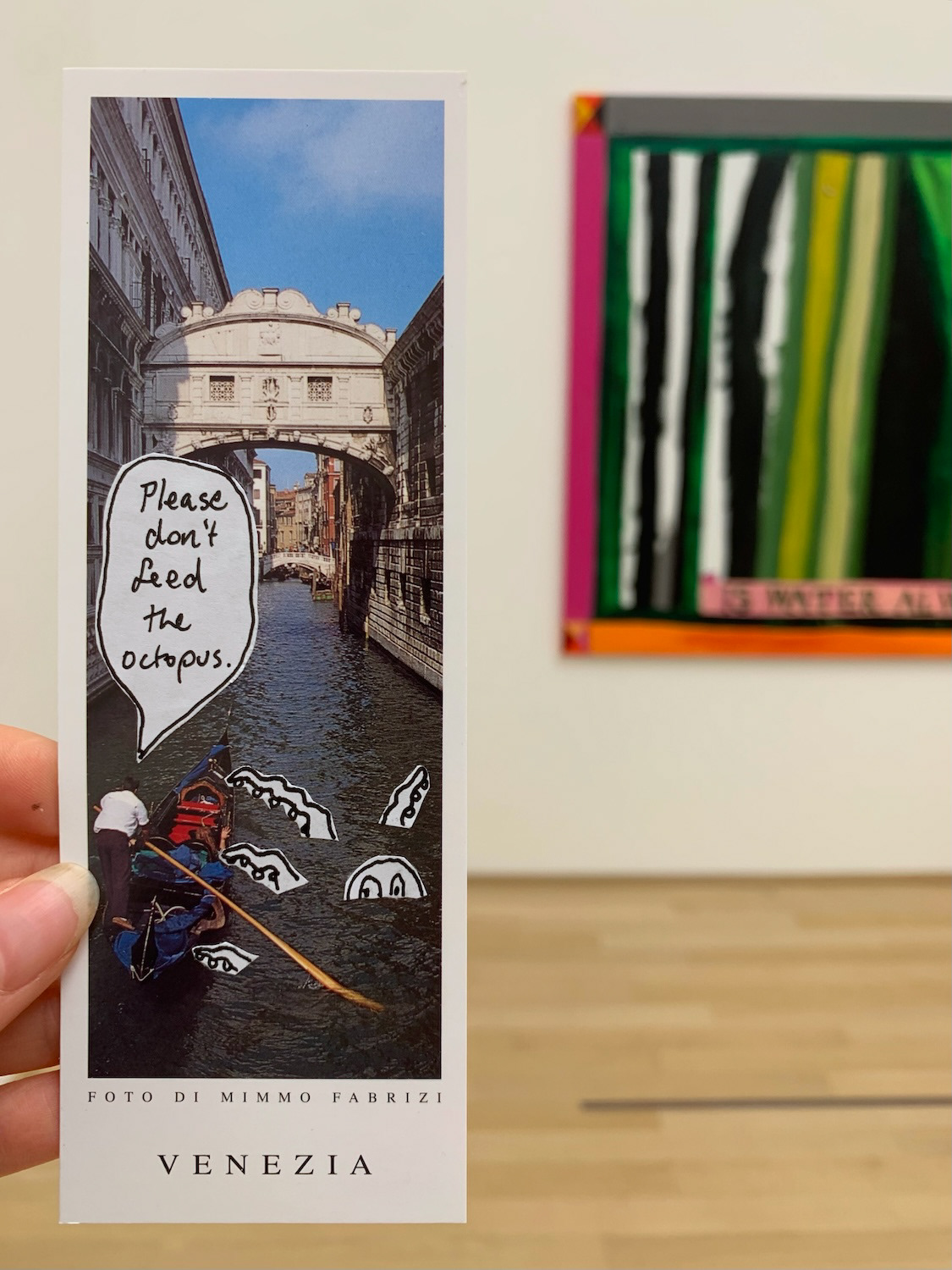
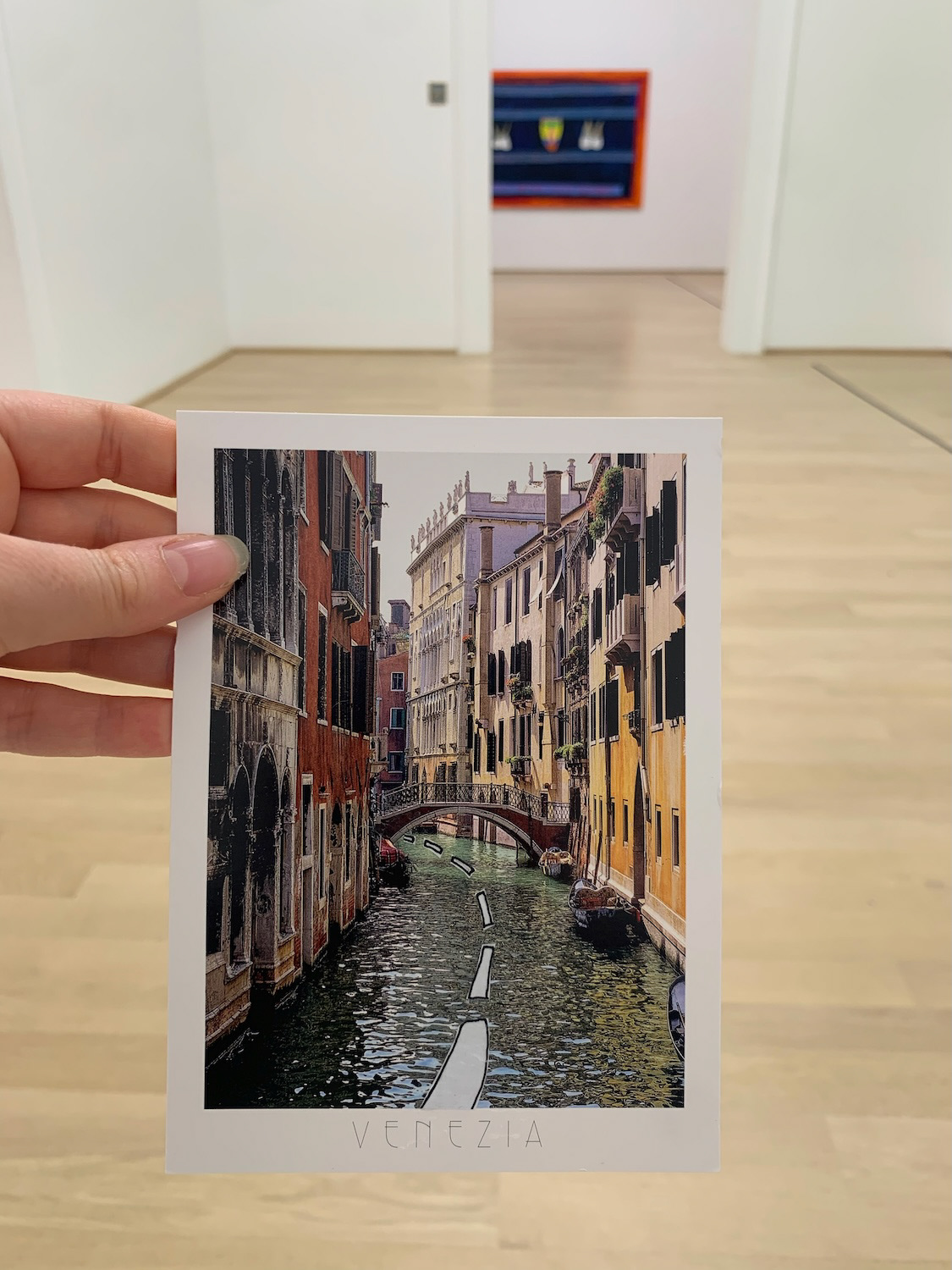
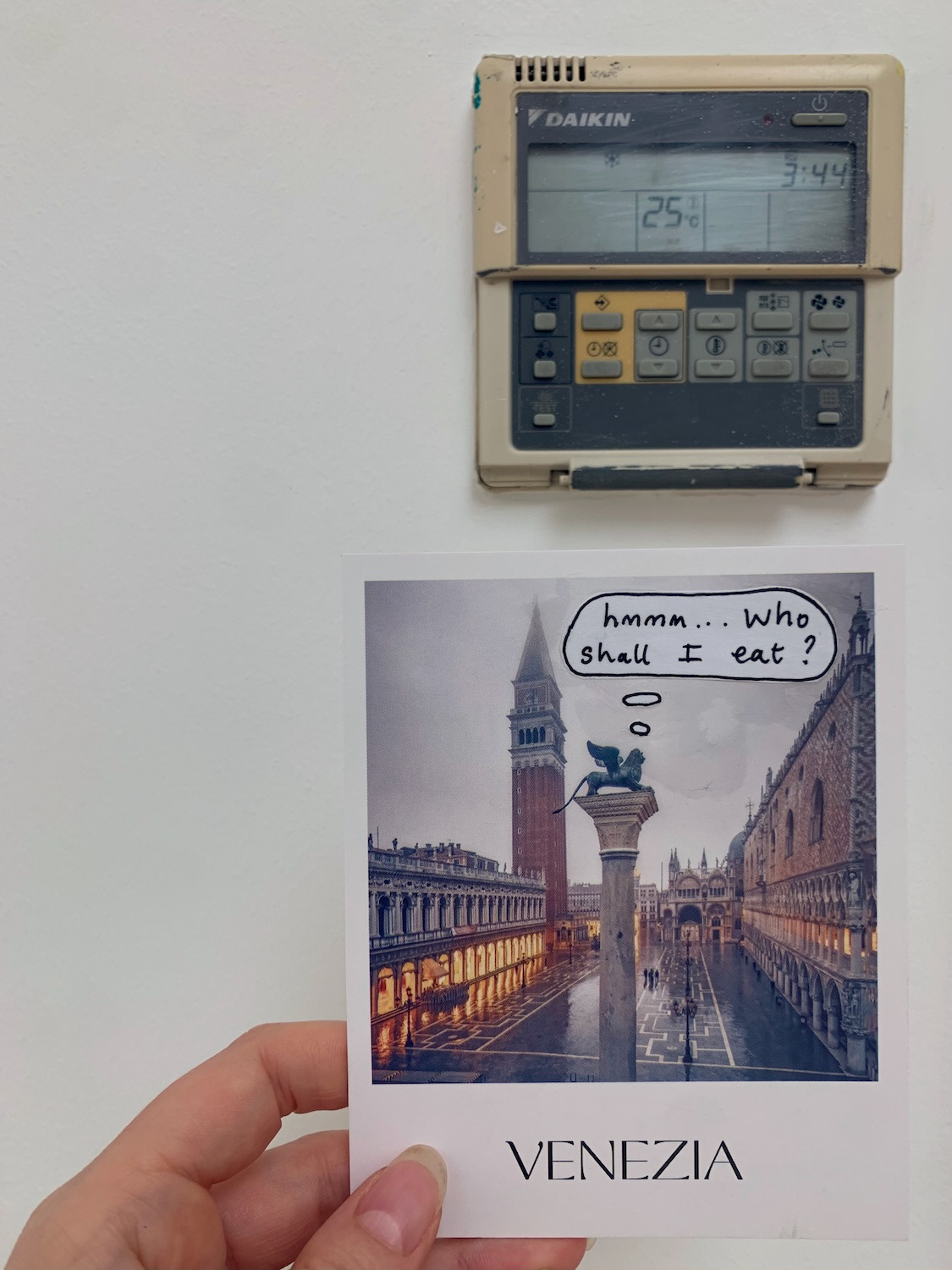
While in Venice for the British Council Fellowship, Camille resolved to send postcards to her family. What was planned as a simple and private series of actions became a complex and shared endeavor as Camille worked with other Fellows and the M+B team to navigate the Italian postal system. Frustrated by what seemed like a failed attempt at communication, Camille began photographing her collaged postcards in the British pavilion during invigilation shifts. The results record the experience of contemplating Lubaina Himid and Magda Stawarska’s installation about belonging, while dreaming of home far away.
The title of the work is 30 Sleeps, because this is the unit of measurement Camille’s young daughter uses to monitor time. The verso of each postcard marks the countdown, 10 sleeps, 9 sleeps etc. Each postcard is photographed next to one of Himid’s works, indicating the Fellowship as a fascinating context for contemplation and shared storytelling.
Collaborative Photographs
Camille’s doctoral thesis hinges on the understanding that stories are powerful tools with the potlornaential to establish and enforce acceptable behaviours and identities. Her practice-based research is oriented around developing new methodologies for inclusive feminist visual storytelling. Her aim is to generate diverse accounts of lived experiences that challenge gendered stereotypes that simplify who we are and what we can do.
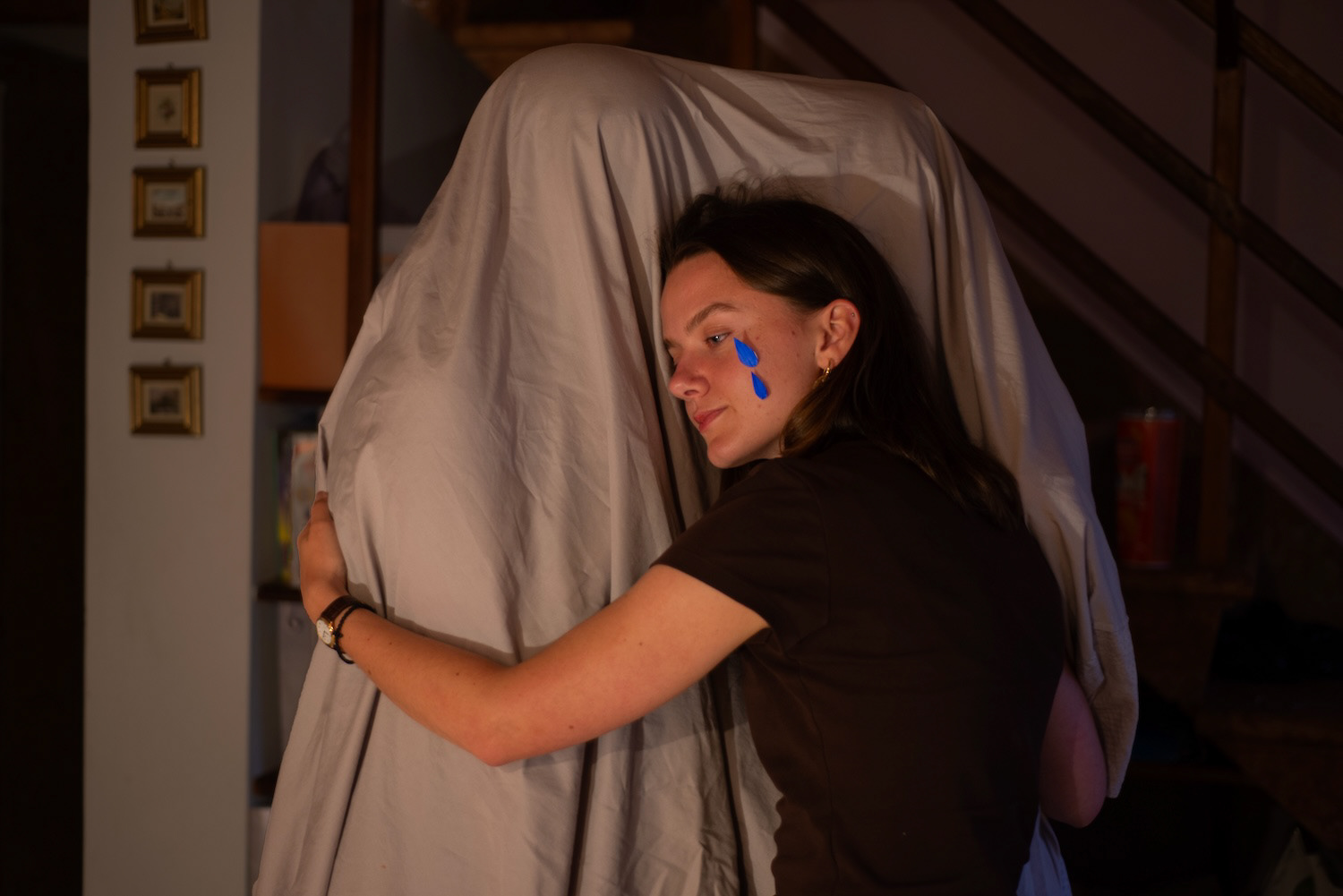
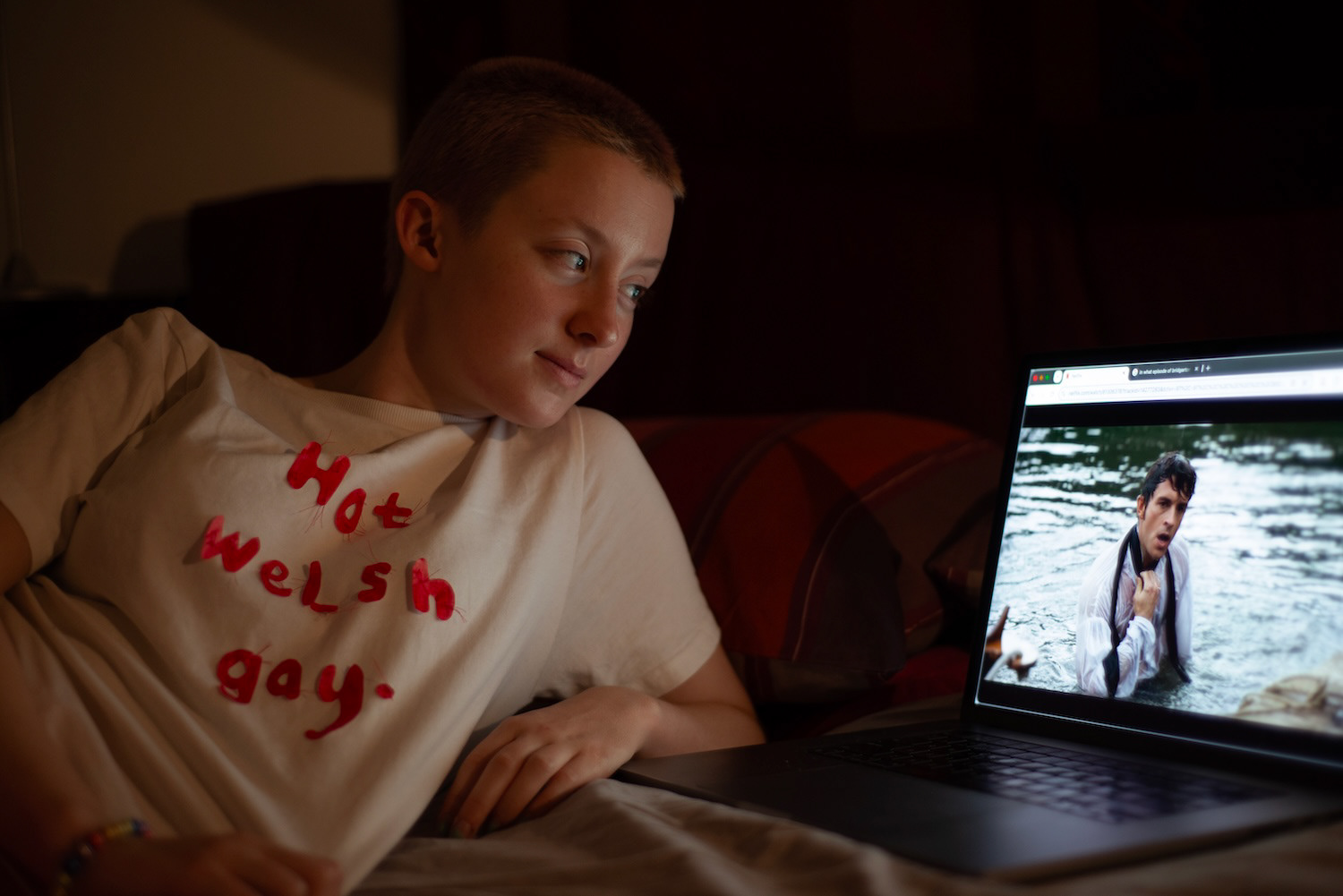
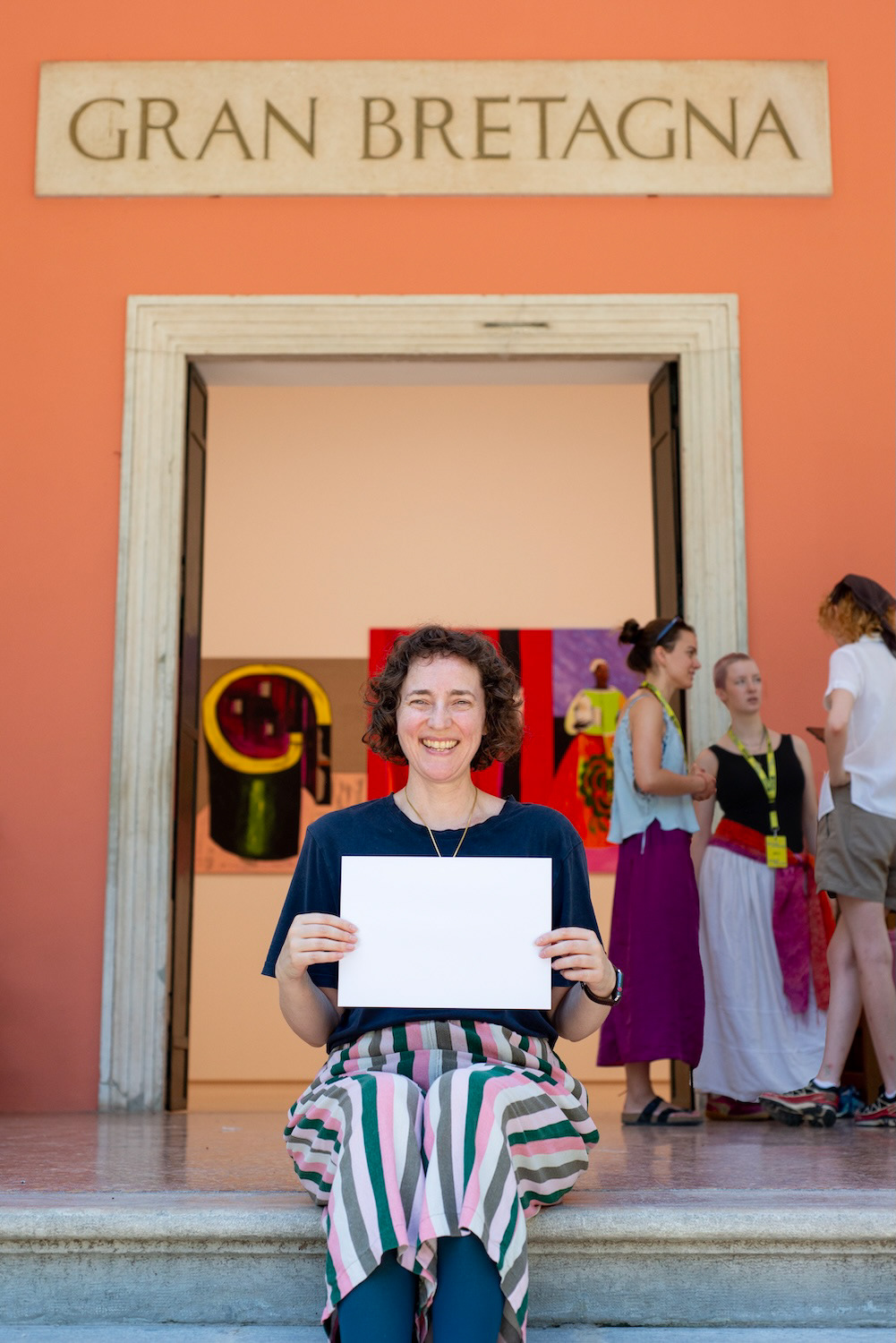
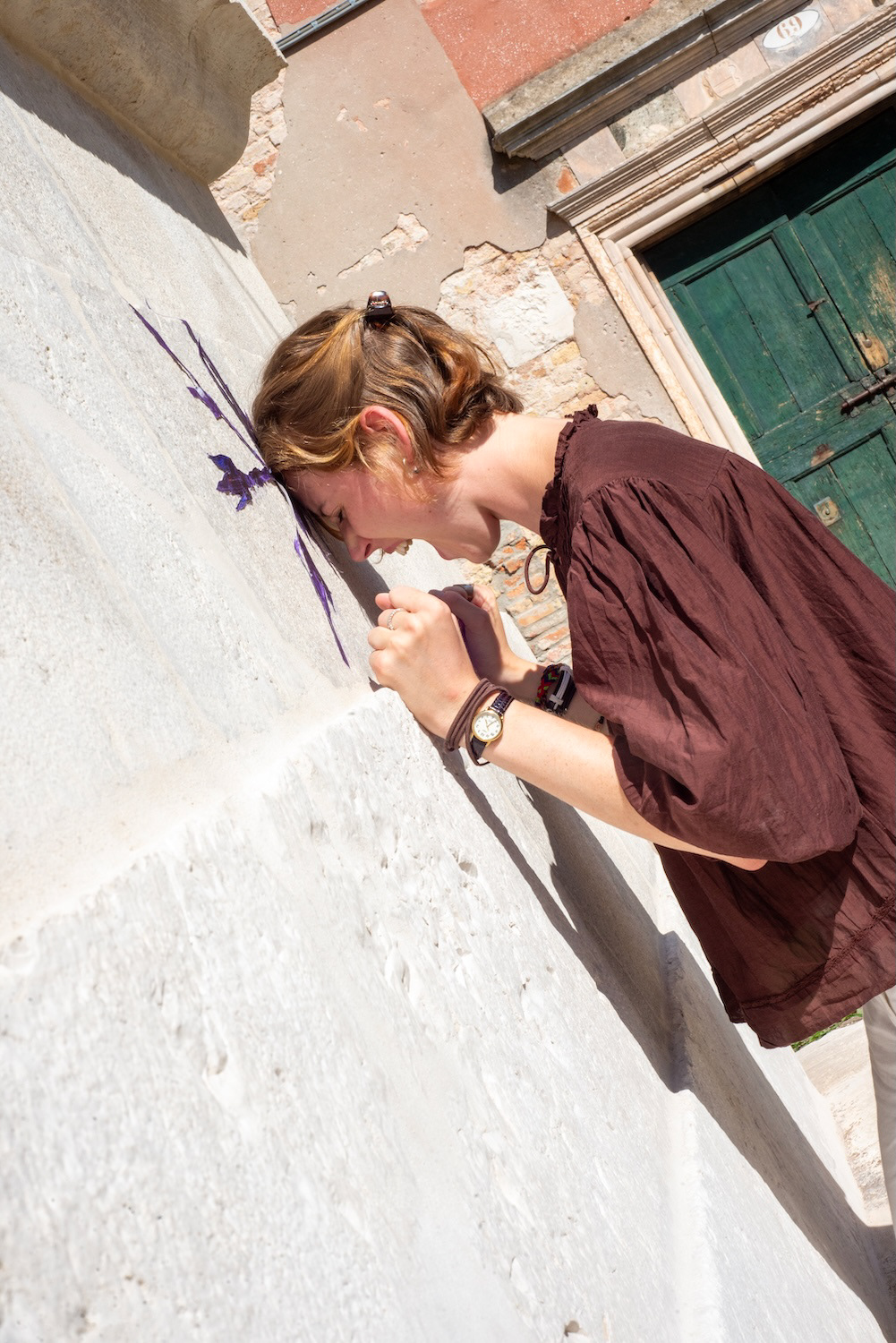
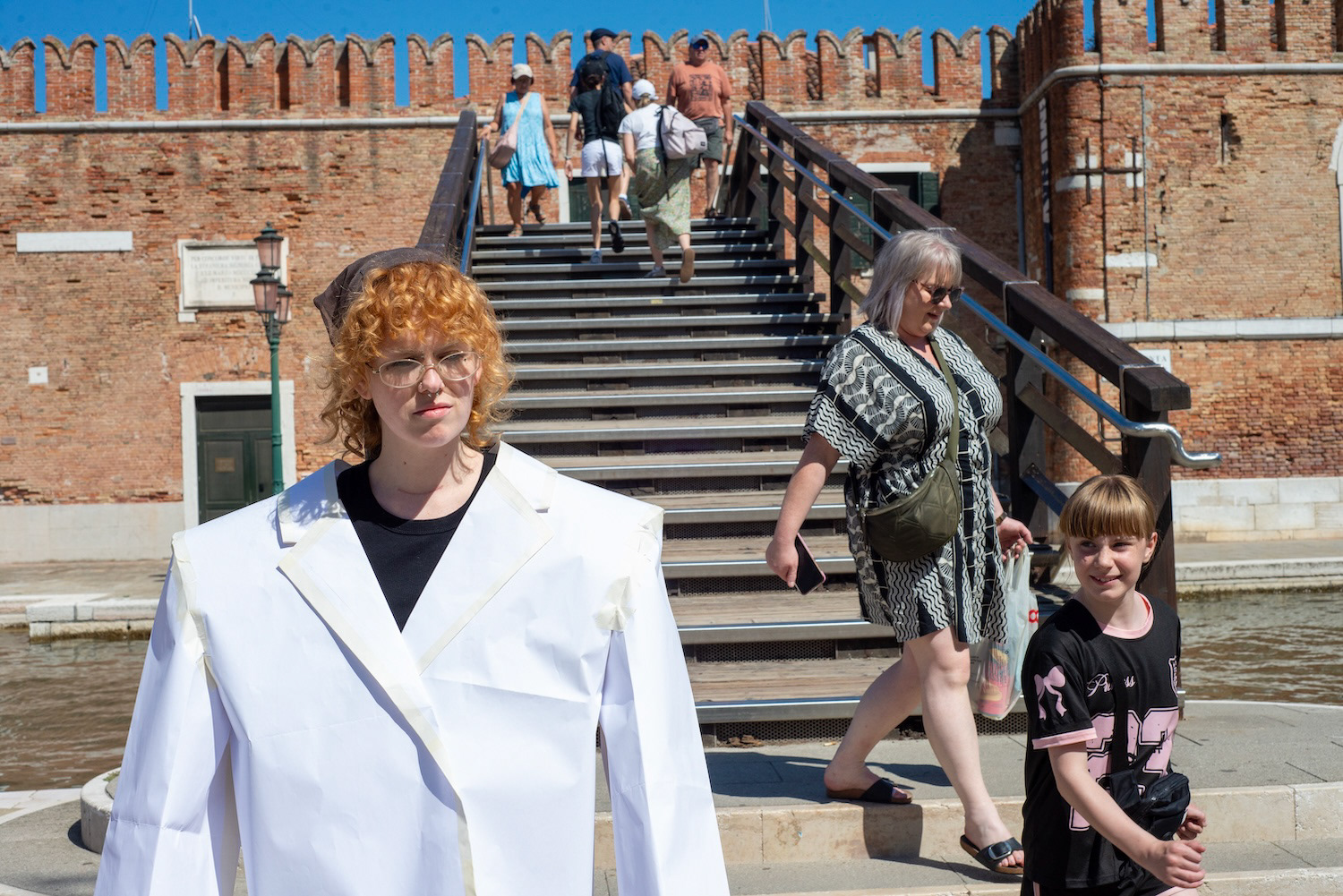
While in Venice, Camille has held two workshops and a series of collaborative photography sessions with our British Council Fellows. Here she presents the results. These co-authored photographs share complex accounts of lived experience that focus on the rich intersectional identities of her fellow Fellows.
Works on display include collaborations with Lorna Doyle, Ellen Gillett, Tom Hardwick, Francesco D’Alessio, Alzbeta Preissova, and Darcey Bateson.
Vinita Gurjar
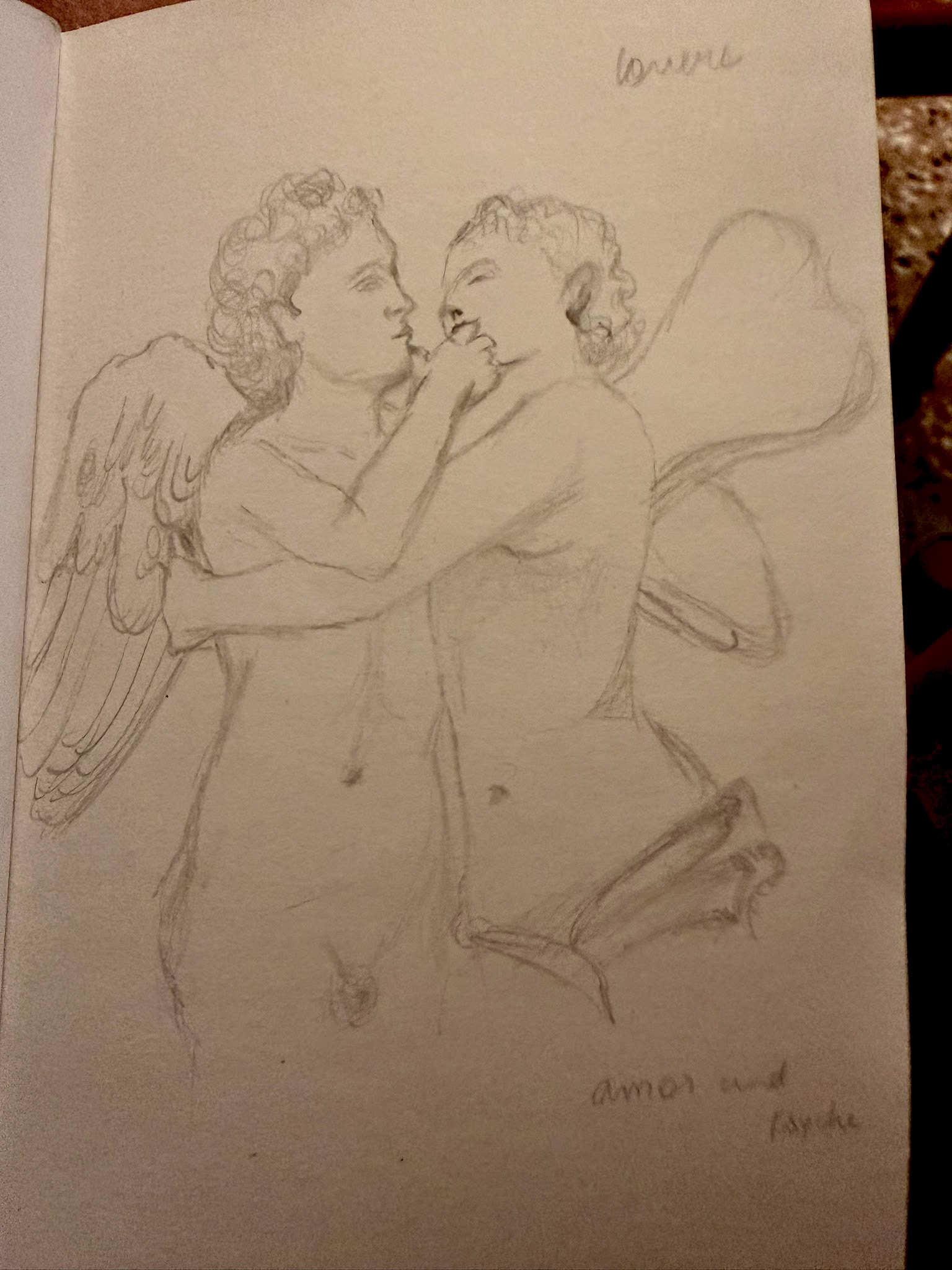
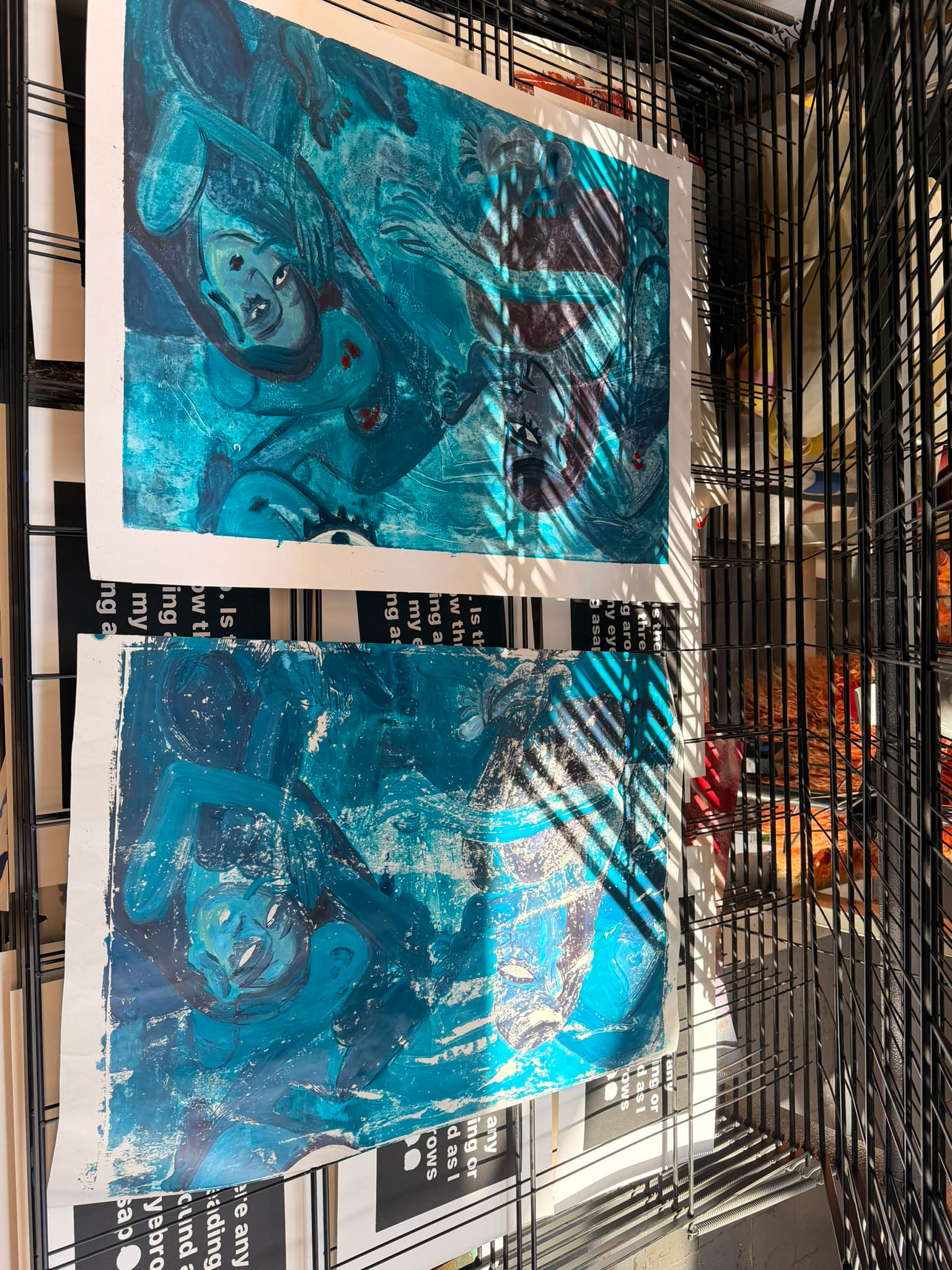
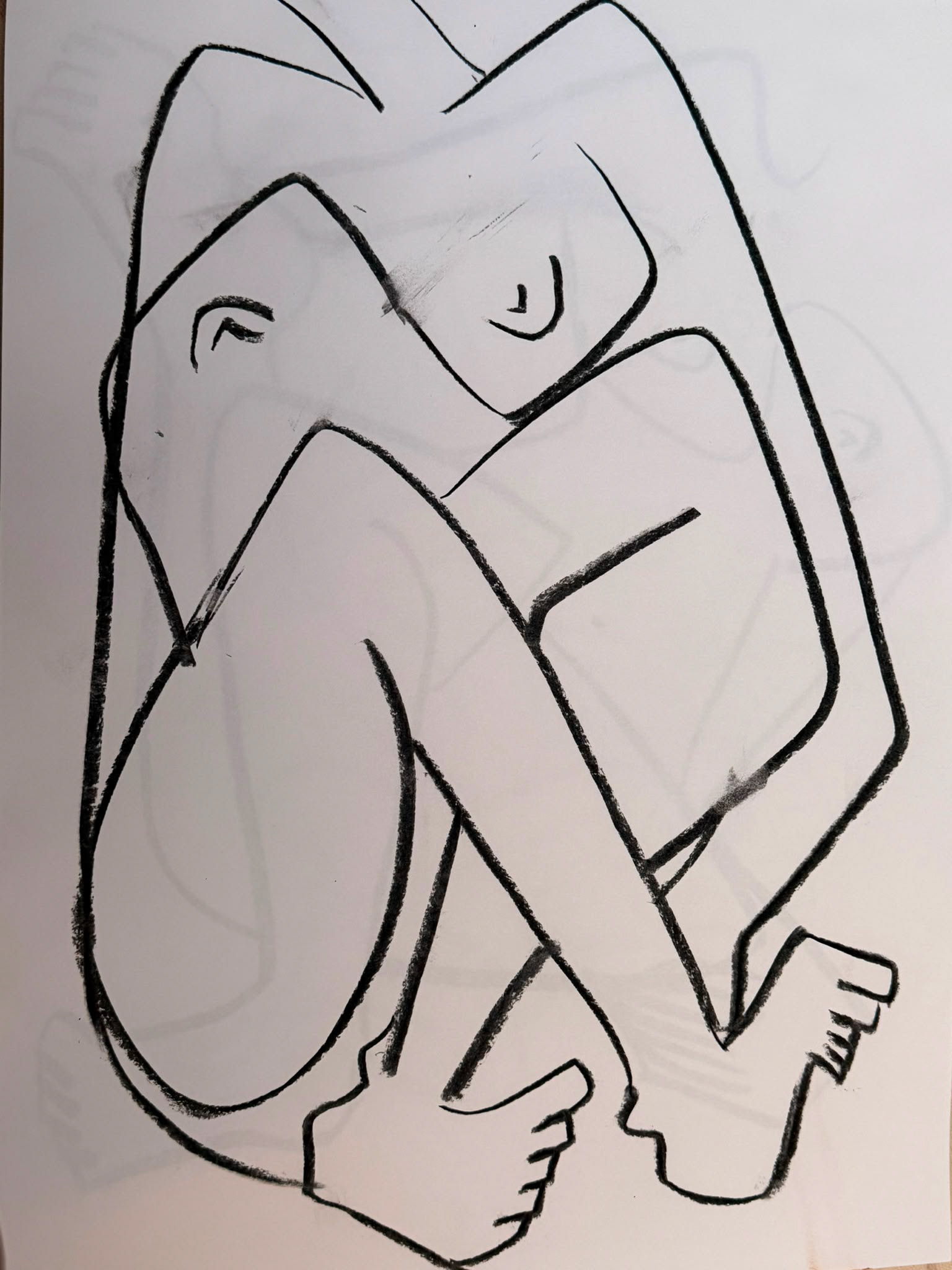
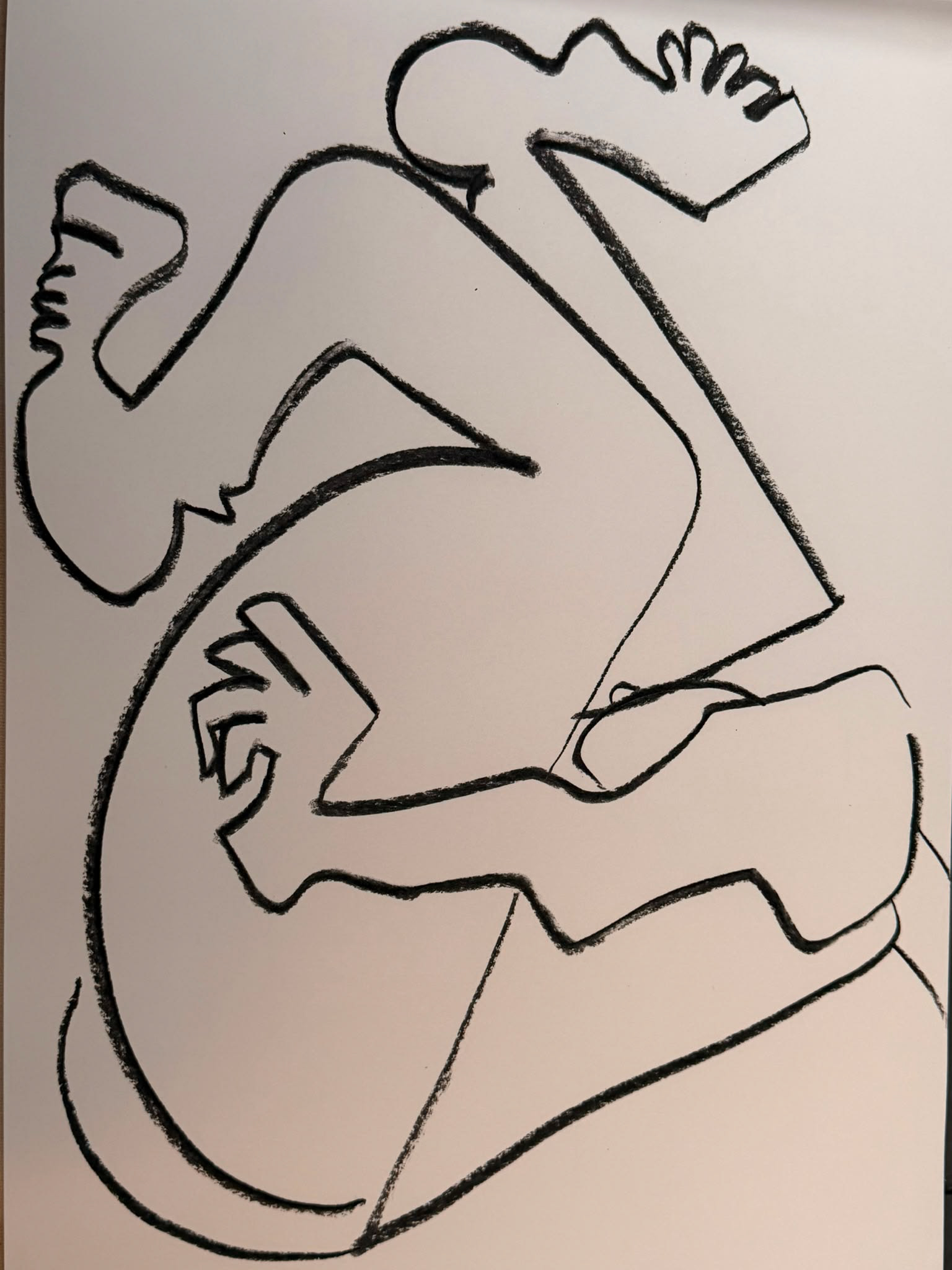
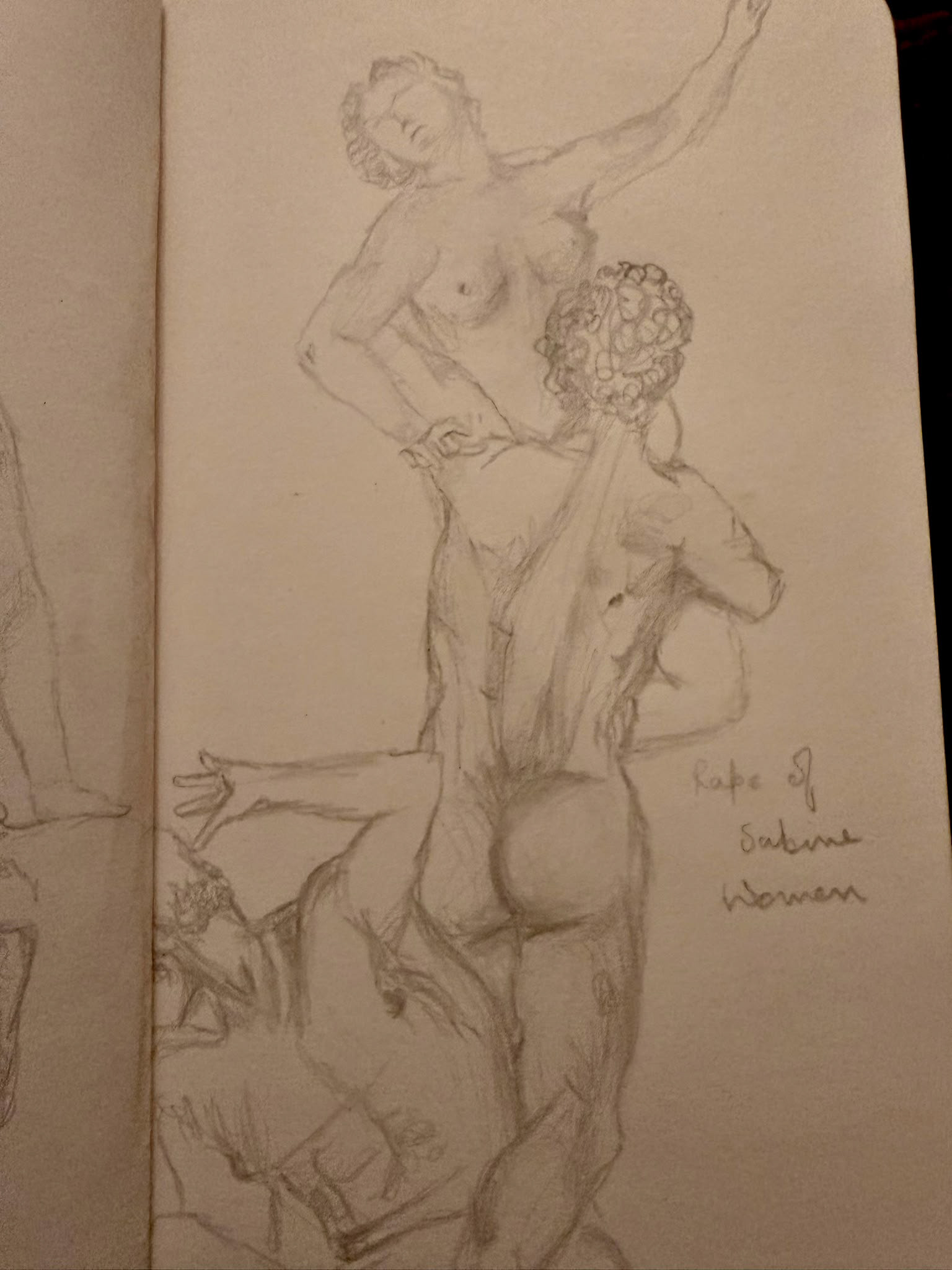
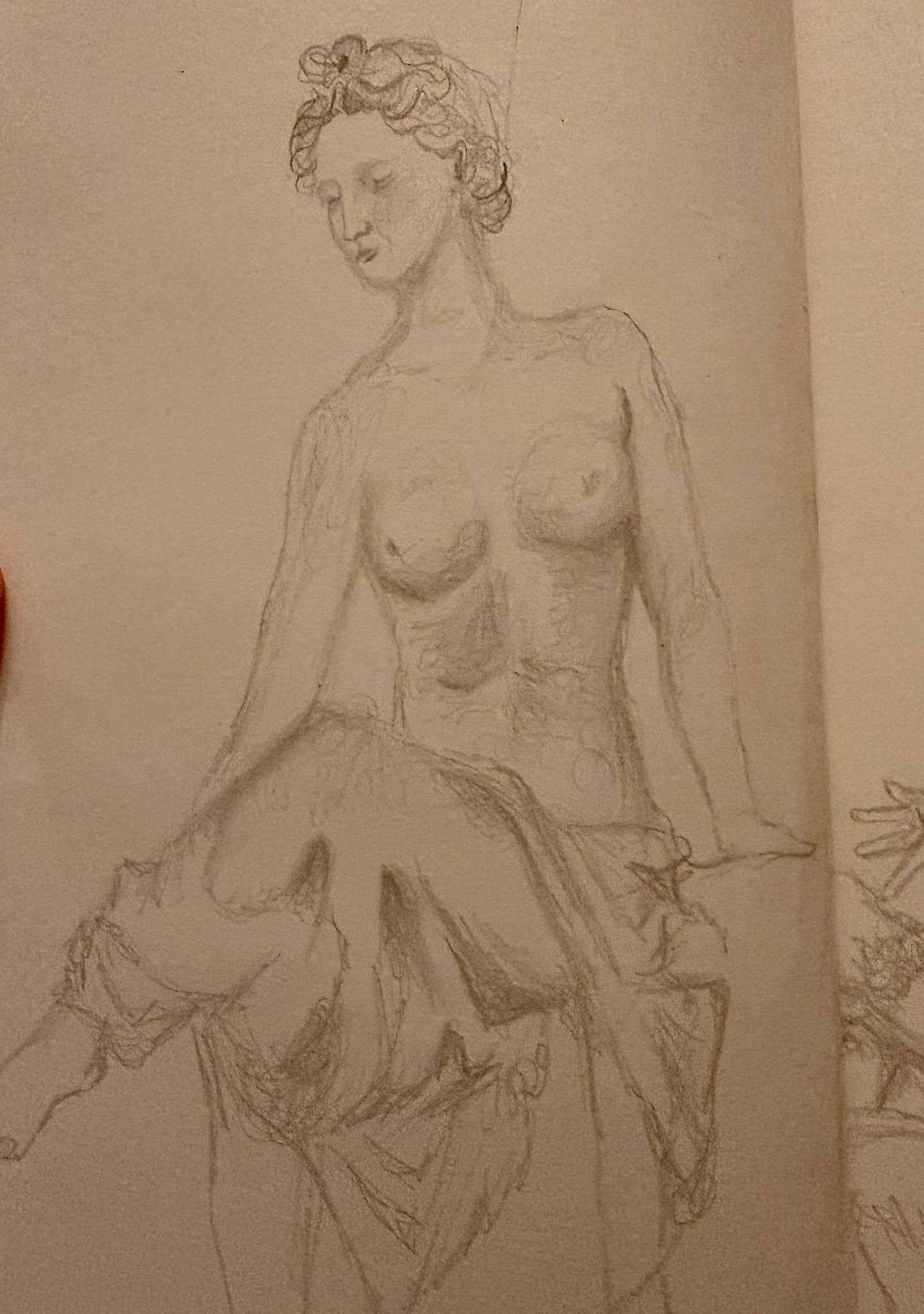
Sketches and photographs
The artist’s practice explores themes of identity, migration, belonging, and memory through interdisciplinary approaches, with printmaking and painting forming the core of her work. She is interested in how people, places, and histories shape one another, and how personal narratives intersect with wider cultural and social contexts. Rather than documenting a place as it is, her work explores the stories, traces, and emotions embedded within it.
During her Venice Fellowship, she is developing a research-led project that examines migration through the idea of the artist as a modern-day nomad. By combining photography, observation, and interviews, she investigates how movement and cultural exchange shape artistic practice and identity. The photography she has produced in Venice forms an integral part of this ongoing research. Rather than functioning as standalone images, the photographs act as visual documentation and source material, capturing moments, textures, spaces, and encounters that inform the wider project. They become fragments of a larger narrative, enabling her to explore the relationship between place, memory, and belonging while informing future printmaking and mixed-media works.
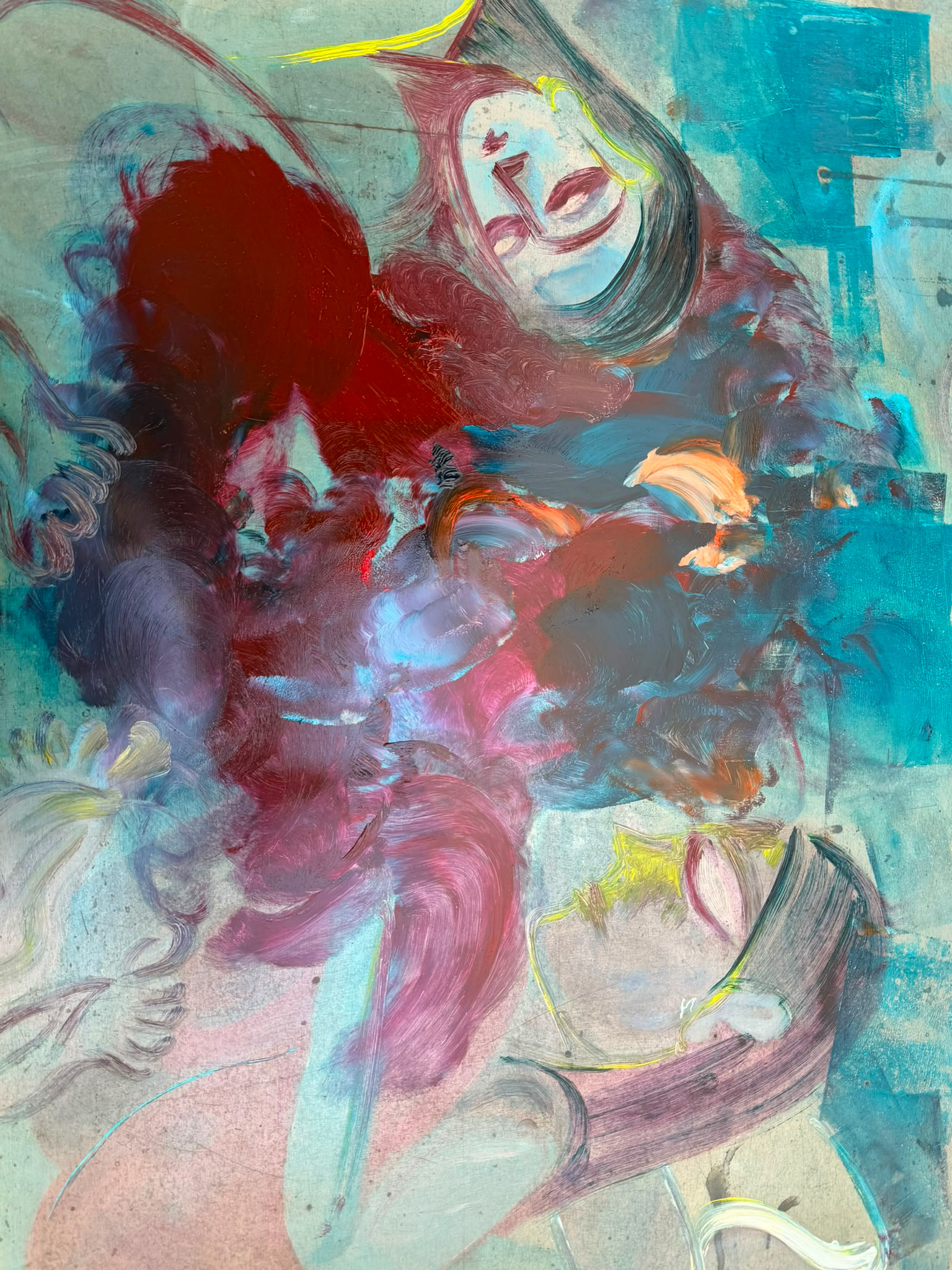
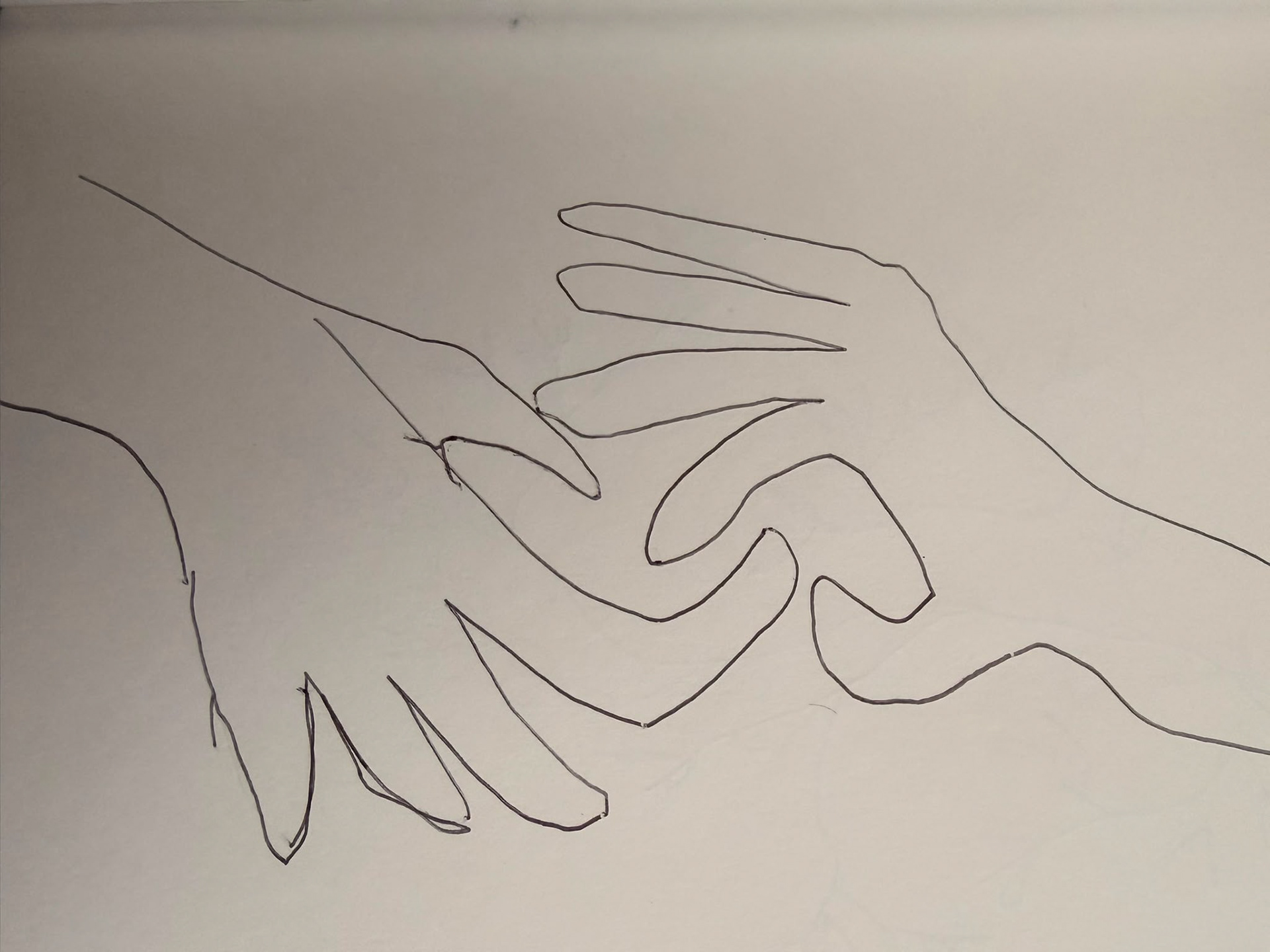
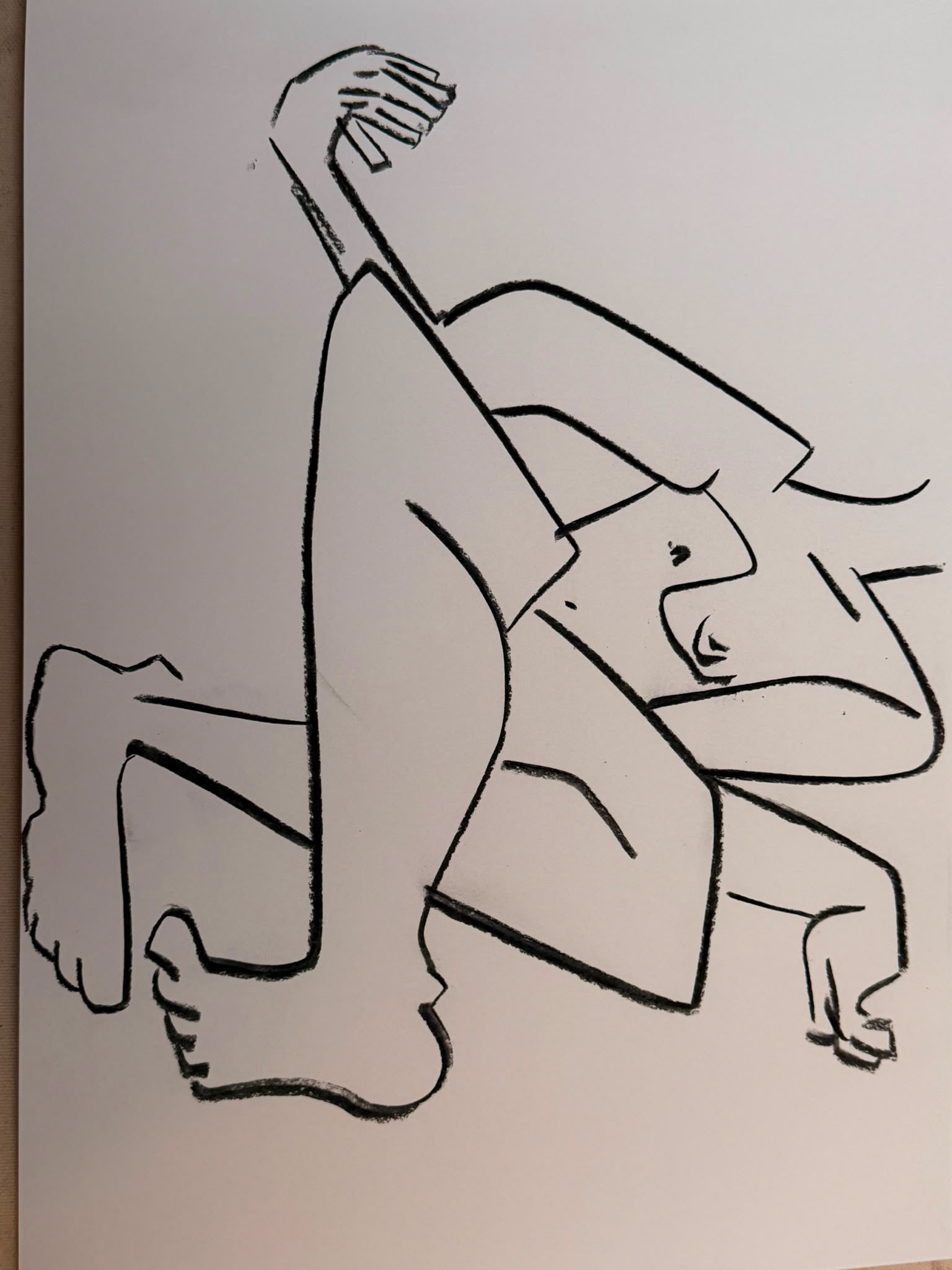
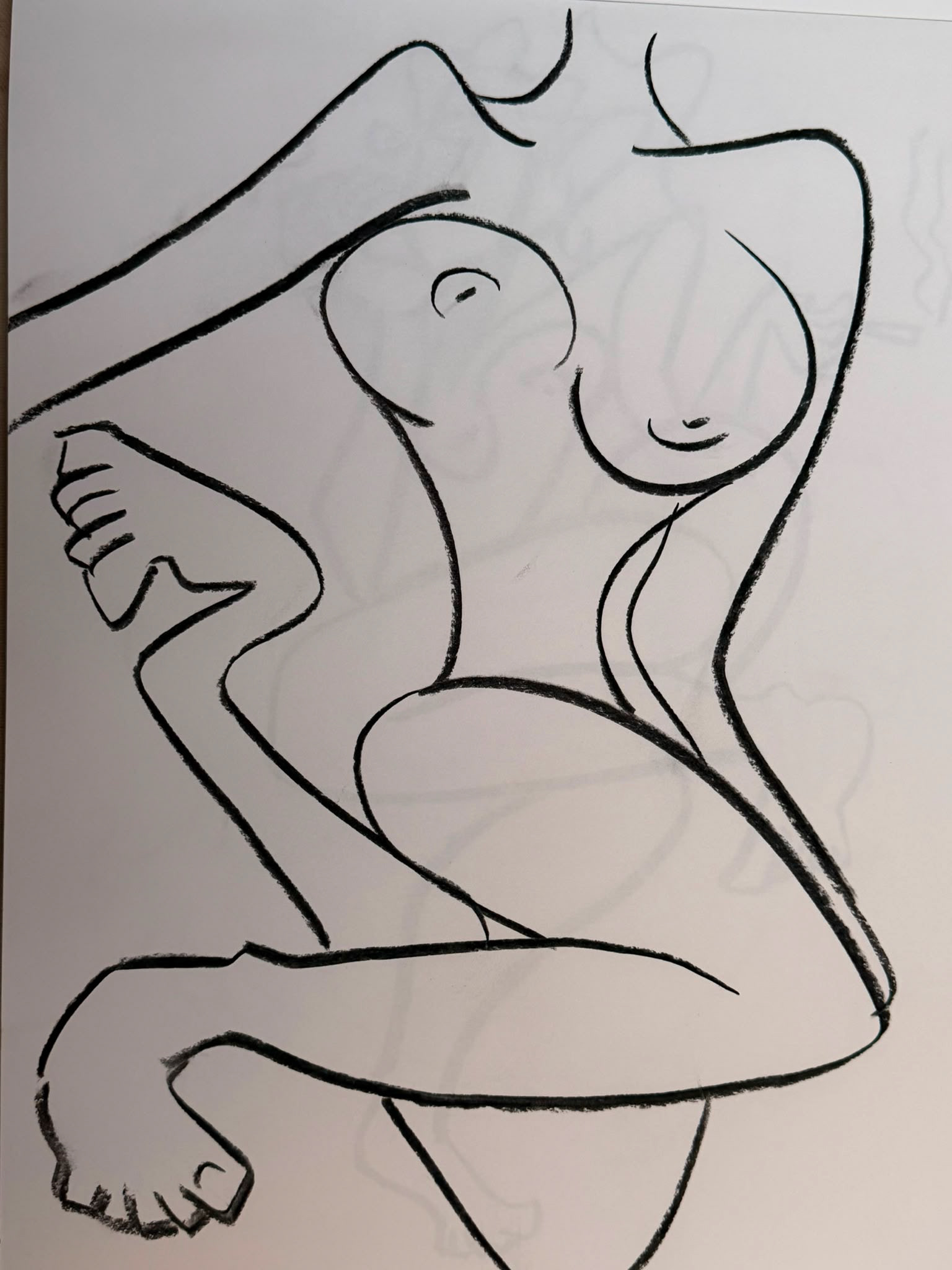
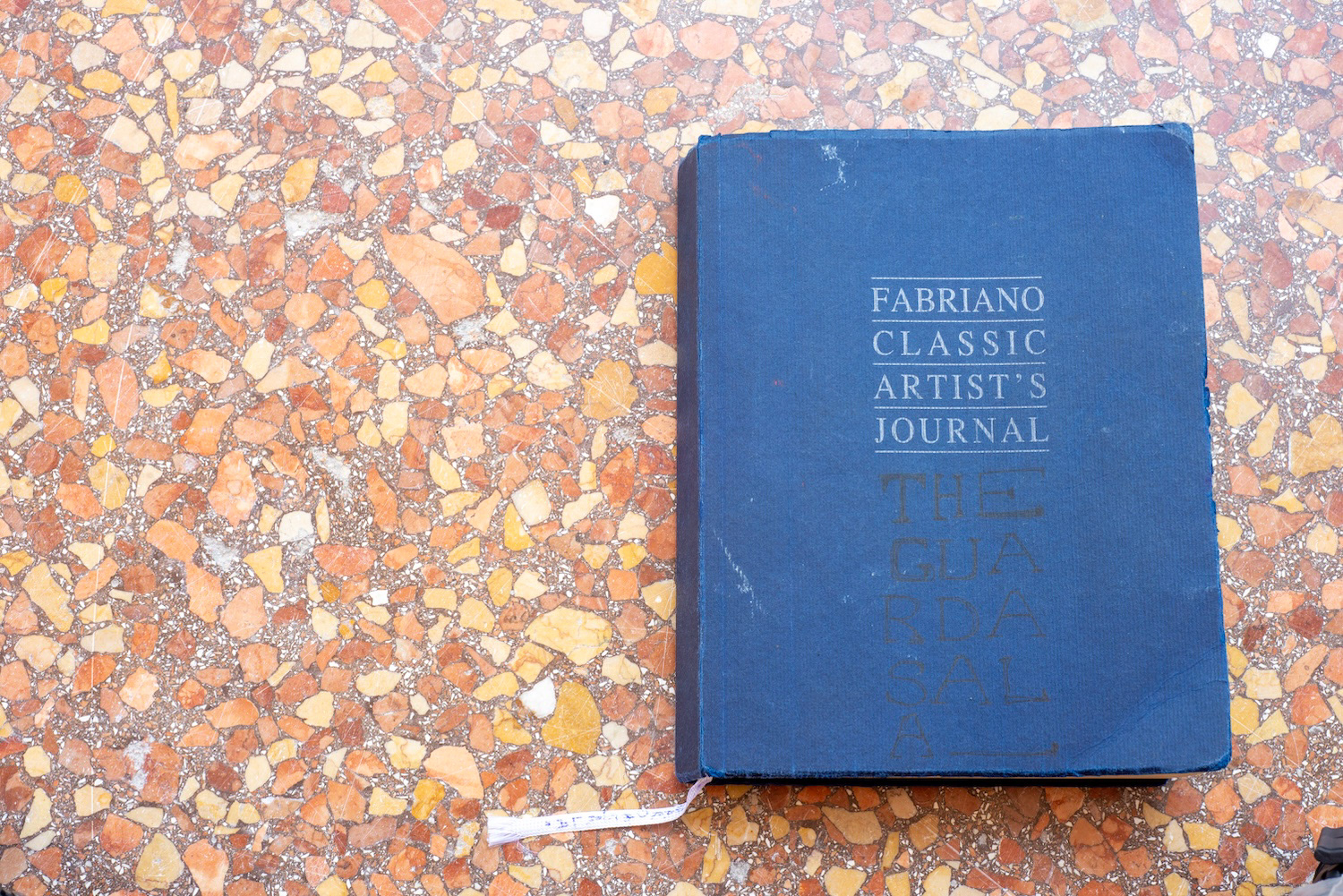
Guardasala Diaries
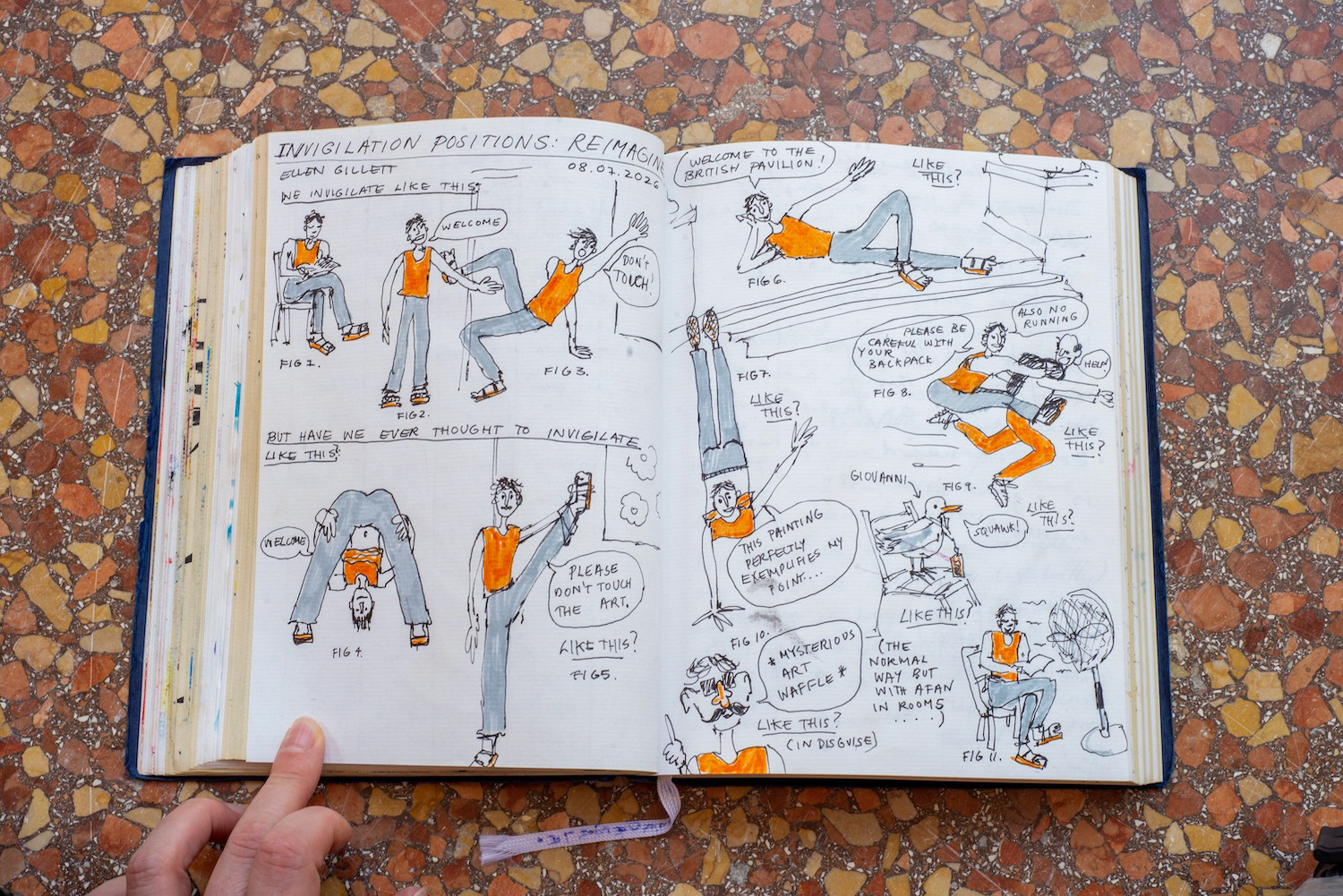
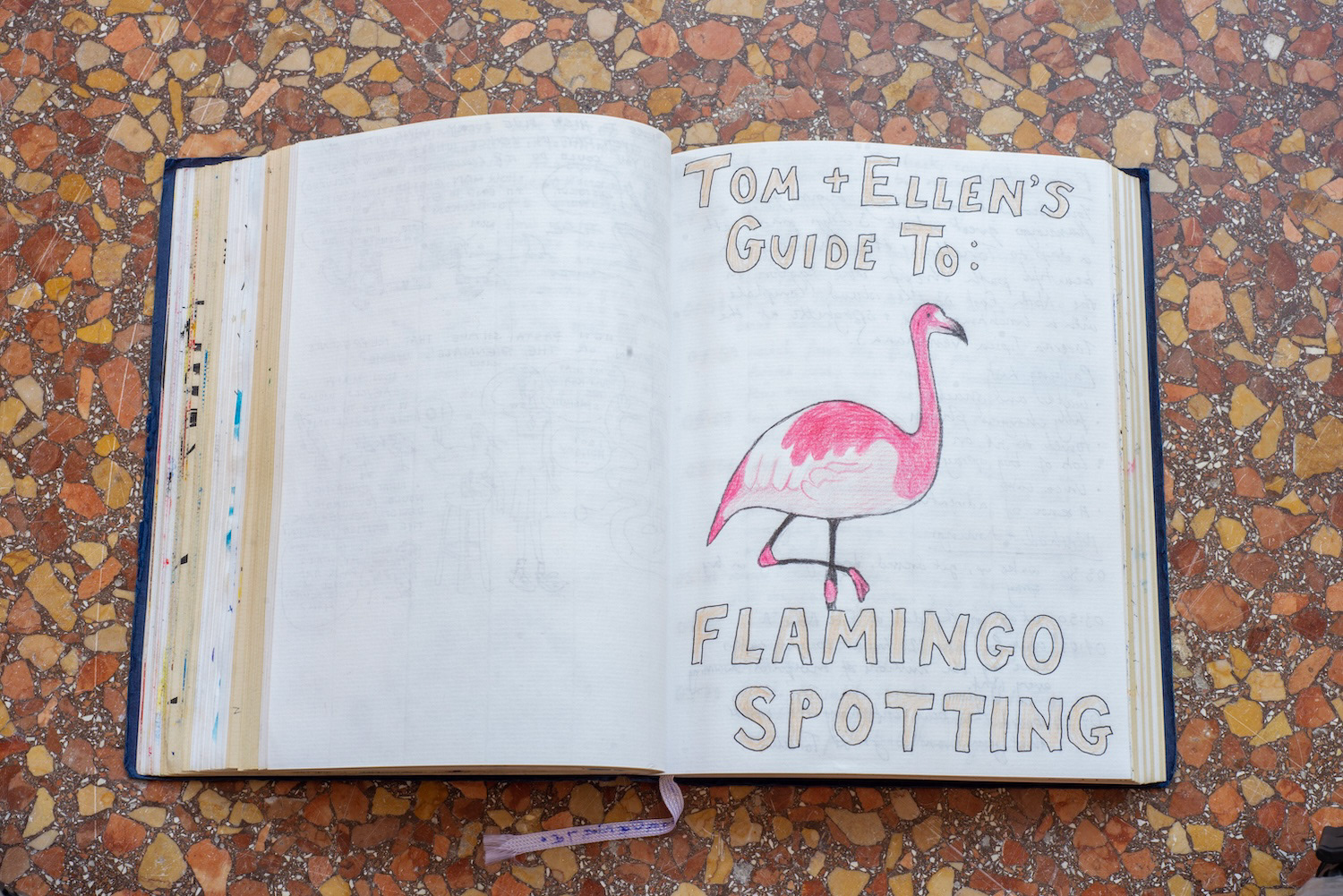
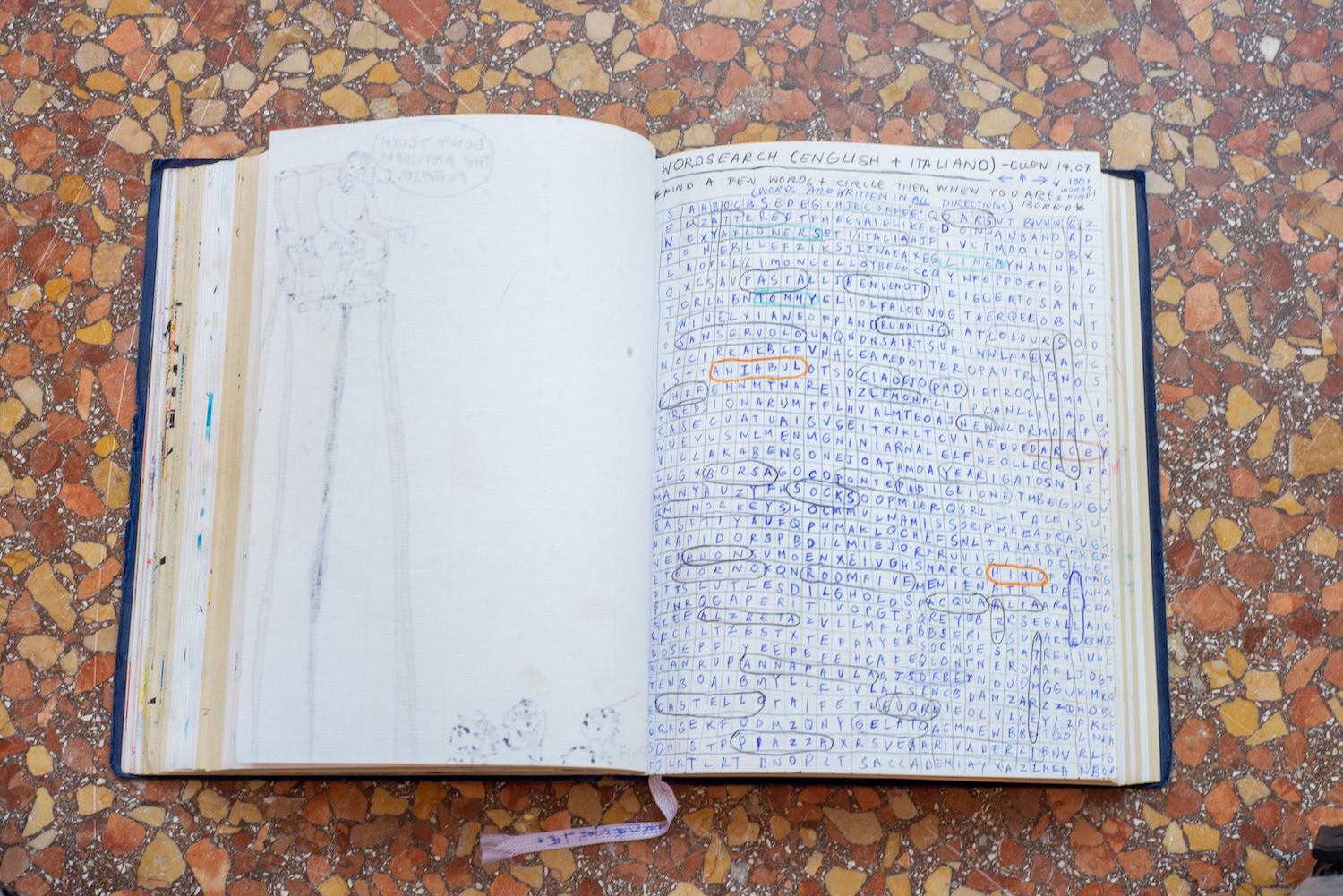
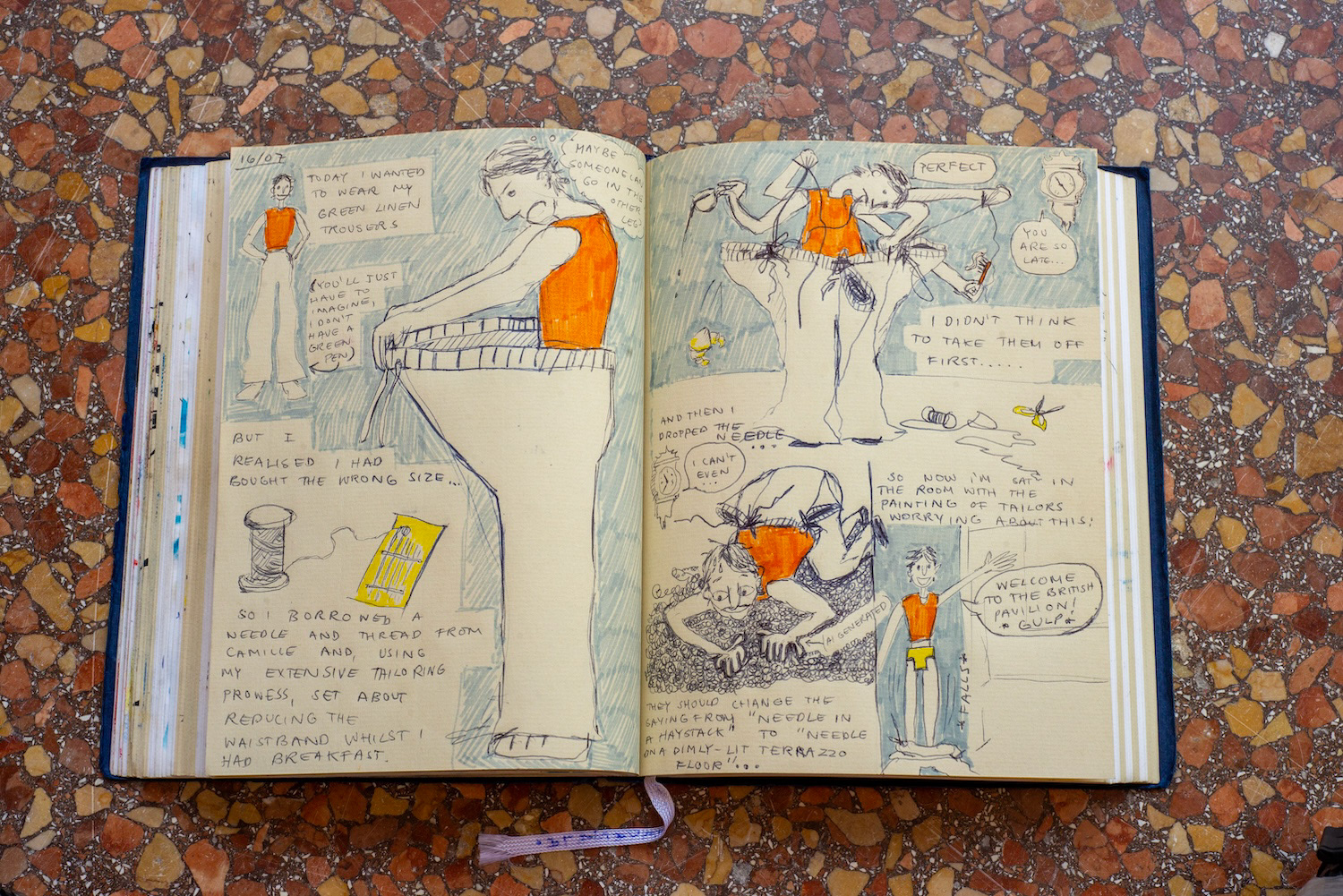
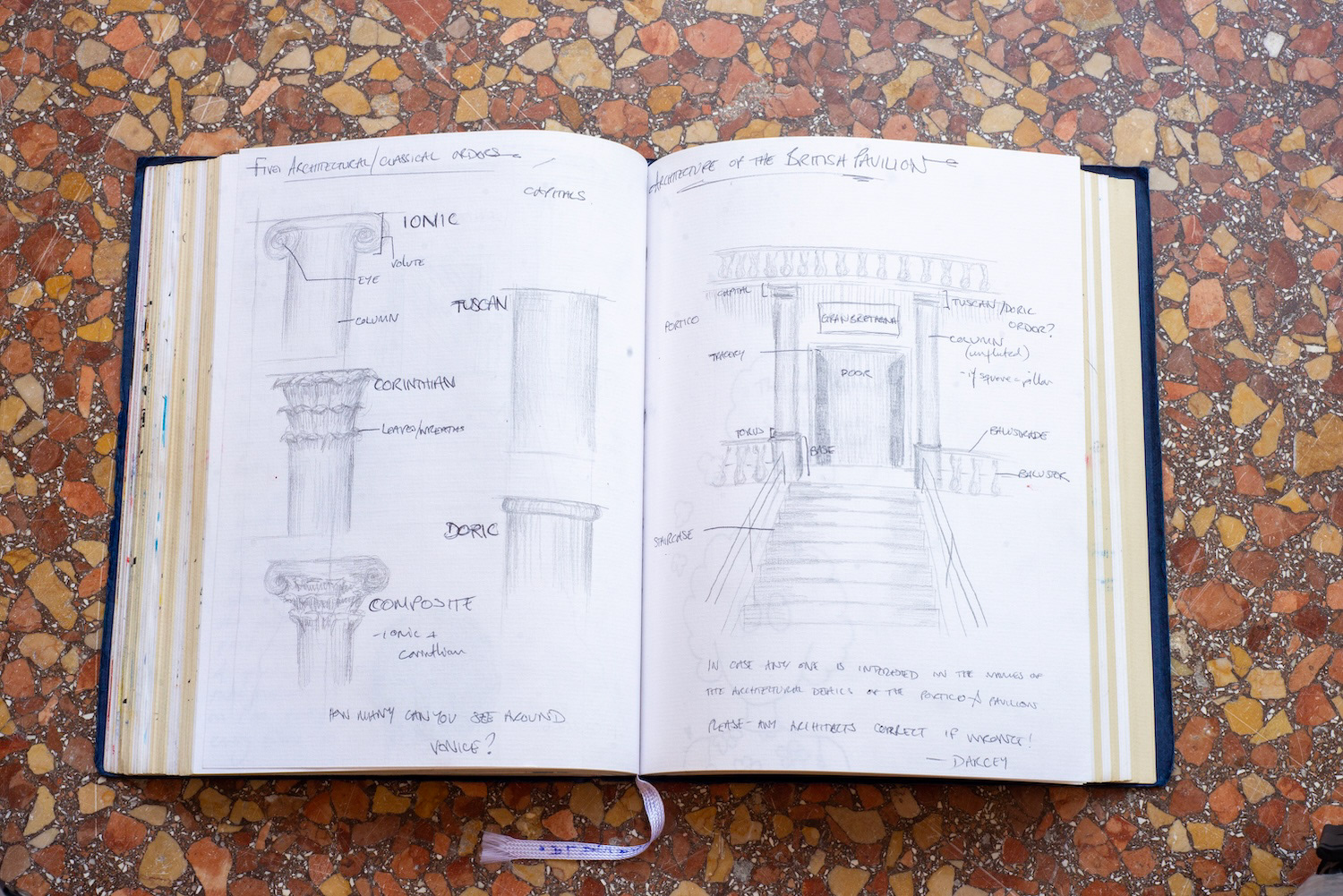
The Guardasala Diaries is a participatory art project being led by Camille Serisier in collaboration with other 2026 British Council Fellows and key programme stakeholders.
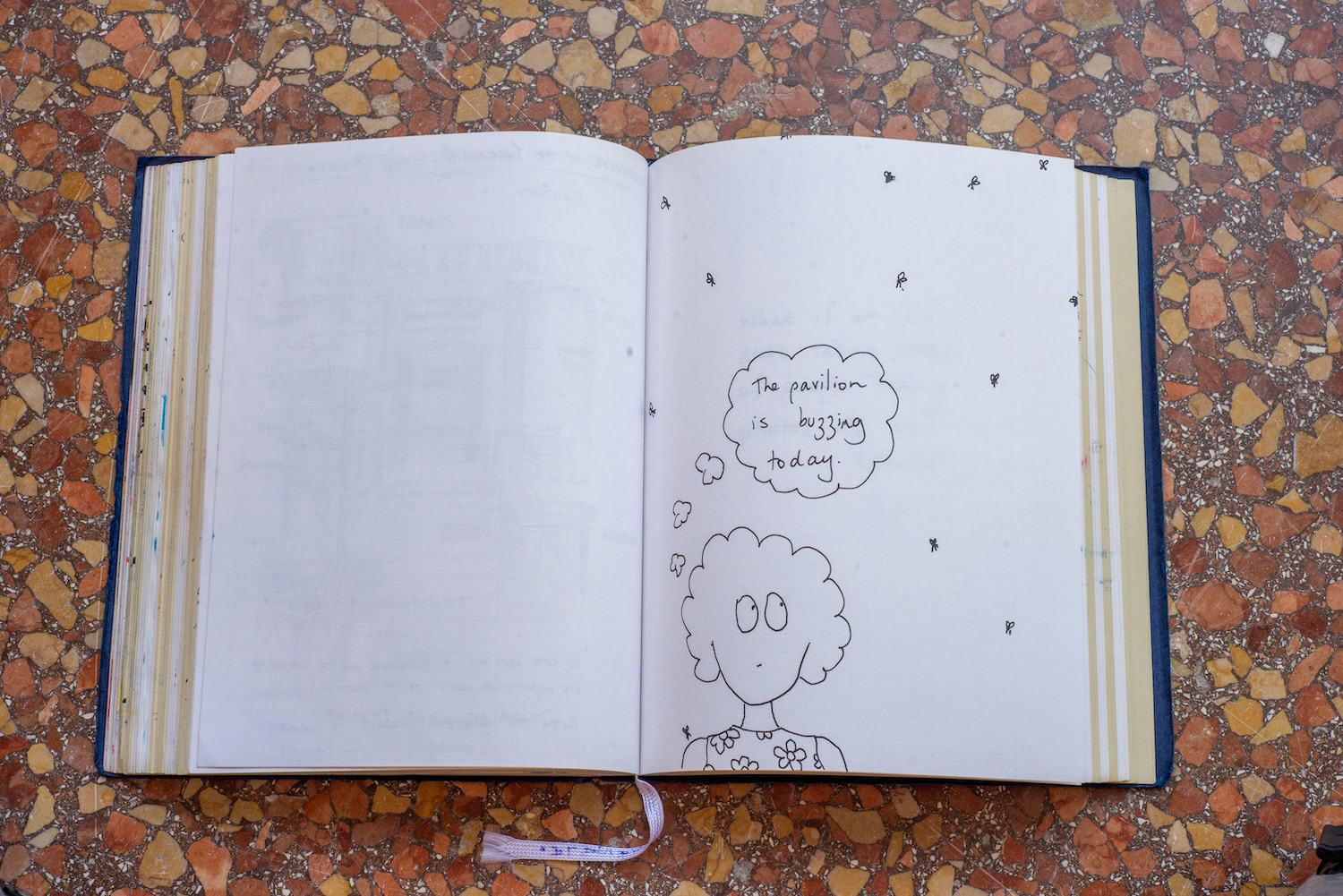
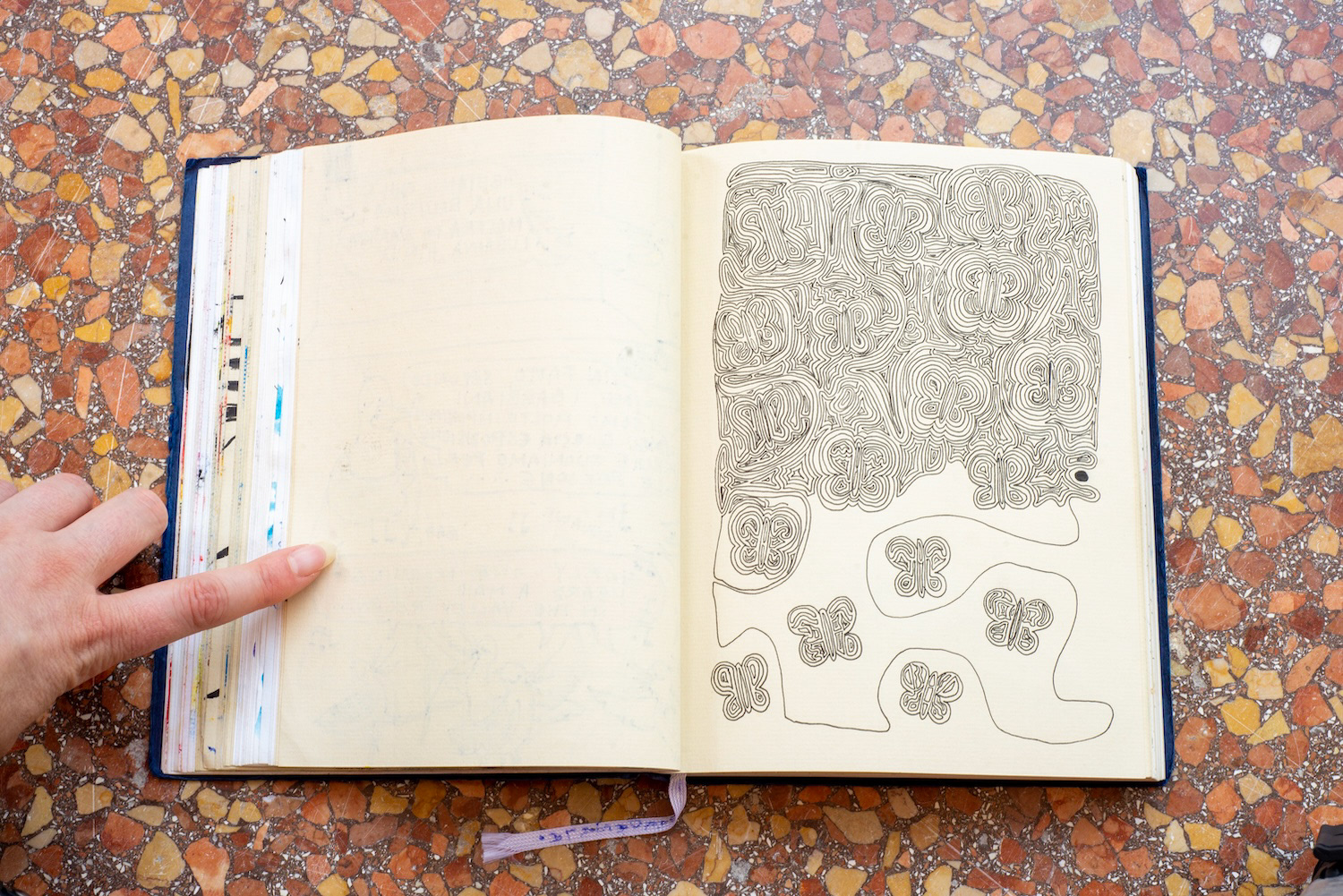
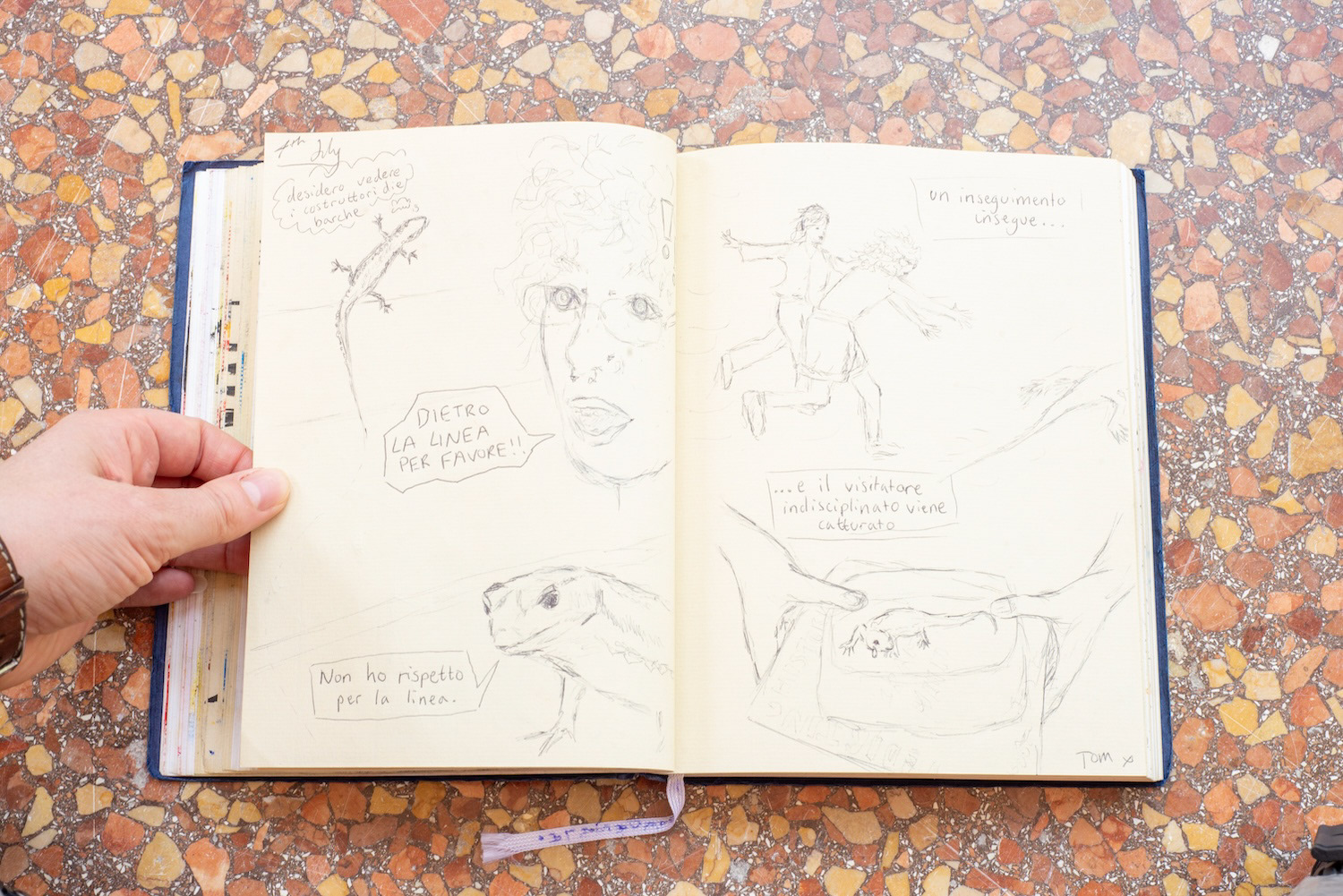
At essence, the project is about a hard copy visual diary that is living in the British Pavilion for the duration of Predicting History: Testing Translation, Lubaina Himid and Magda Stawarska’s installation at the 61st Venice Biennale. The diary is designed to elicit informed reflections about the show from those who will spend the most time within it – the Fellows.
All 63 fellows from the 2026 programme are invited to contribute their creative reflections about the installation and their experiences of invigilating the pavilion. Each month a new Fellow facilitates the diary activities in the pavilion. These facilitators include Joshua Donkar, Jessica Powrie, Gherdai Hassell, Gabriela Saenger Silva, Áine Crawford, Emma Mitchison, Loren Herring, Connie Woods Gundry, and Catriona Anderson. The project is kindly supported by the M+B team of Annapaola Passarini, Francesco D’Alessio, and Anna Purna Nativo. It is also generously supported by the British Council, with particular thanks to Sophie Lucas and Becky Schutt.
The Guardasala Diary includes wonderful contributions by all of the Fellow’s exhibiting in Basement, namely Darcey Bateson, Lorna Doyle, Ellen Gillett, Vinita Gurjar, Tom Hardwick, Alzbeta Preissova, Yusuke Kuriki, and Camille Serisier.